
Tag Archives: addiction and recovery

A veteran is attending a celebration.

Why Veterans Struggle to Seek Rehab

Veterans face unique challenges when transitioning back to civilian life, and these struggles often go unnoticed. Adjusting to life outside the structured environment of the military can be overwhelming, especially when mental health issues or substance use come into play. Many veterans hesitate to seek rehab, such as drug and alcohol rehab in West Virginia, because of deeply rooted fears, barriers, and societal pressures. The reasons behind this hesitation are complex and interconnected, ranging from stigma and mistrust to logistical challenges. Understanding why veterans struggle to seek rehab is key to addressing their needs effectively. This topic is not just about raising awareness but also about fostering compassion and actionable support for those who served. By examining these challenges, you can gain insight into how to better support veterans in their recovery journeys.

An old man with glasses is smiling and wearing a Vietnam veteran cap.
Understanding the unique struggles veterans face in seeking rehab is the first step toward effective support and healing.

The Stigma Surrounding Addiction and Mental Health

The stigma surrounding addiction and mental health often prevents veterans from seeking the help they need. Many veterans fear being judged or labeled as weak because of these issues. Society often holds unrealistic expectations for veterans to appear strong and resilient at all times. This pressure can lead to feelings of shame and isolation, making it harder to ask for support. According to studies, over 30% of veterans struggle with mental health conditions like PTSD, anxiety, or depression. Substance use becomes a coping mechanism for many, yet admitting this can feel like a personal failure. Stigma doesn’t just come from the outside; it also comes from within. Veterans often feel they should handle their struggles alone, which adds to the burden.

This mindset creates a cycle where seeking rehab feels impossible. The lack of open conversations about mental health within the military and broader society makes the problem worse. Breaking this stigma requires understanding and compassion. Encouraging veterans to see rehab, including options like individual therapy for addiction, as a step toward strength, not weakness, is key. Building a supportive community where they feel safe and understood can help them move forward. Combatting stigma starts with education and empathy, both within the military and in everyday interactions.

Difficulty in Transitioning to Civilian Life

Adjusting to civilian life after serving in the military can be challenging for many veterans. The shift from a highly structured environment to an unstructured one often feels overwhelming. Without the routine and sense of purpose that the military provides, some veterans may struggle to find their footing. These challenges can impact their willingness to seek rehab, making recovery even harder.

Loss of Structure and Routine

In the military, daily life revolves around strict routines and clear objectives. Civilian life is much less structured, which can leave veterans feeling lost or unproductive. This loss of routine can make it harder to stay motivated or even recognize the need for help. Without clear goals, veterans may struggle to manage their time or prioritize self-care.

Feelings of Isolation

Many veterans feel disconnected from their civilian peers after leaving the military. Shared experiences and a strong sense of camaraderie are central to military life. In civilian society, it can be difficult to find people who truly understand the challenges veterans face. This isolation often leads to feelings of loneliness, making it harder to seek support or open up about personal struggles.

Struggling with a New Identity

In the military, service members have a clear role and identity. Transitioning to civilian life often means redefining that identity, which can feel intimidating. Veterans may feel they’ve lost their purpose or value, especially if they struggle to find meaningful work. This uncertainty can discourage them from seeking rehab or prioritizing their mental health.

A veteran soldier is sitting on the floor and covering his face with his hand.
Veterans often face barriers like stigma and mistrust when seeking help for addiction and mental health struggles.

PTSD and Co-Occurring Disorders

Many veterans face mental health challenges, including post-traumatic stress disorder (PTSD), after returning to civilian life. PTSD is a condition caused by experiencing or witnessing traumatic events, and it affects a significant number of veterans. For many, PTSD is not the only issue. It often comes with co-occurring disorders like anxiety, depression, or substance use. These combined challenges are a major reason why veterans struggle to seek rehab.

What is PTSD?

PTSD occurs when the brain struggles to process traumatic experiences. Veterans may relive their trauma through flashbacks, nightmares, or intrusive thoughts. These symptoms can disrupt daily life and make it hard to focus on recovery. Veterans with PTSD may also avoid situations that remind them of their trauma, leading to isolation.

How PTSD Leads to Substance Use

Some veterans turn to alcohol or drugs to manage their PTSD symptoms. They may feel that substances offer temporary relief from stress, anxiety, or sleep problems. Over time, this coping mechanism can lead to addiction, creating an additional layer of difficulty. Addiction often feels like another problem to hide, making rehab seem even more intimidating.

Co-Occurring Disorders and Their Impact

PTSD often comes with other mental health conditions. Anxiety and depression are common among veterans with PTSD. These disorders can make veterans feel overwhelmed and hopeless. When these issues are untreated, they feed into each other, making recovery seem out of reach.

A veteran is sitting and talking to his therapist about why veterans struggle to seek rehab.
A safe, supportive environment is crucial for veterans to begin their journey toward recovery and healing.

Barriers to Accessing Treatment

Accessing treatment for addiction and mental health issues is often difficult for veterans. Several barriers prevent them from seeking the help they need. These barriers can range from a lack of awareness about available services to logistical issues like distance or finances. Understanding these obstacles is the first step toward breaking them down.

  • Lack of Awareness About Available Resources: Many veterans simply don’t know where to look for help. While the military offers some resources, veterans may not be aware of all the treatment options available to them. Civilian healthcare providers and rehab centers may seem confusing or difficult to navigate.
  • Financial Barriers: Even when veterans know where to go for help, financial concerns can stand in the way. Not all veterans have health insurance or the financial means to pay for rehab. Treatment programs can be costly, and without the right support, veterans may feel they can’t afford the care they need.
  • Long Wait Times: Waiting for treatment can also be a huge barrier. Veterans seeking help through the VA or other healthcare systems often face long wait times for appointments. This delay in getting treatment can make recovery harder.
  • Geographic Barriers: Many veterans live in rural areas where treatment centers may be far away. Long travel times or a lack of nearby facilities make it harder for them to access the care they need. This geographic challenge is a significant barrier that keeps many veterans from seeking rehab.

Fear of Career Impact

One of the biggest reasons why veterans struggle to seek rehab is the fear that it will negatively affect their careers. Whether still in the military or transitioning to civilian work, the concern of being labeled as weak or unreliable often prevents veterans from reaching out for help. This fear is not unfounded, as the military and civilian workplaces can sometimes have negative perceptions of mental health and addiction treatment.

Concerns About Military Career

For veterans still serving, the idea of seeking rehab can feel like jeopardizing their military career. The fear of being seen as unfit for duty or not living up to expectations often holds them back. Veterans worry that taking time off for treatment will reflect poorly on their performance. In some cases, this fear might lead to delayed or avoided treatment, which makes recovery more difficult in the long run.

Civilian Employment Fears

After leaving the military, veterans often transition to civilian jobs where career advancement can depend on maintaining a good reputation. They may worry that seeking rehab will make them seem unreliable or unprofessional. In some industries, there is a fear that an employer might not understand the unique challenges veterans face. This leads to veterans hesitating to admit they need help.

Breaking the Stigma

Reducing the fear of career impact involves shifting how society views mental health and addiction. Changing the narrative to show that seeking help is a sign of strength, not weakness, can encourage more veterans to come forward. Creating workplaces that are more understanding of mental health issues will also help veterans feel more comfortable accessing the support they need.
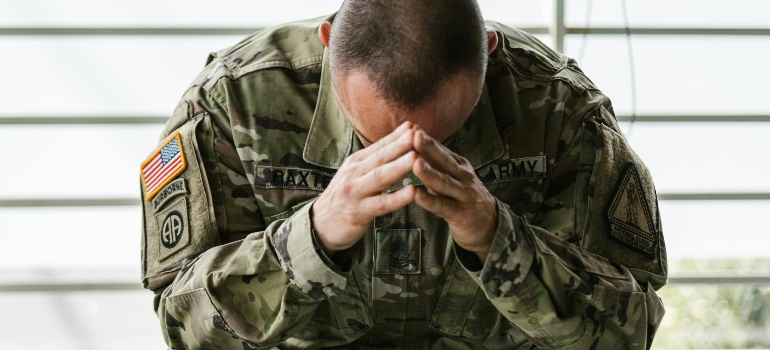
A veteran is sitting in a chair, holding his head down, and thinking about why Veterans struggle to seek rehab.
Trust and understanding are fundamental in building a supportive healthcare environment for veterans seeking help.

Mistrust in Civilian Healthcare Systems

Many veterans struggle with trusting civilian healthcare systems. After years of receiving care in the military, transitioning to civilian healthcare can feel overwhelming. The military system offers a specific approach that veterans are used to, which differs from civilian care. This change can cause uncertainty. Veterans may feel that civilian providers won’t understand their unique needs, especially when it comes to treating trauma-related conditions like PTSD. The fear is that the care they receive won’t be specialized enough to address their experiences.

Veterans also feel that civilian healthcare lacks the same level of support they got in the military. In the military system, care is consistent, and providers understand the culture and experiences of service members. In civilian systems, this level of understanding can seem lacking. As a result, many veterans hesitate to seek help, worried that they won’t receive the care they need.

Additionally, veterans face challenges with continuity of care in civilian systems. Starting fresh with new doctors and navigating an unfamiliar system can be frustrating. This sense of disruption may prevent veterans from accessing treatment. To improve this, healthcare systems need to build trust with veterans. Ensuring that providers understand veterans’ specific needs and creating a supportive environment can help them feel more comfortable seeking care. For those looking for drug rehab that accepts Tricare, this access can help alleviate concerns about affordability and treatment options. This approach can lead to better treatment outcomes for veterans in need of support.
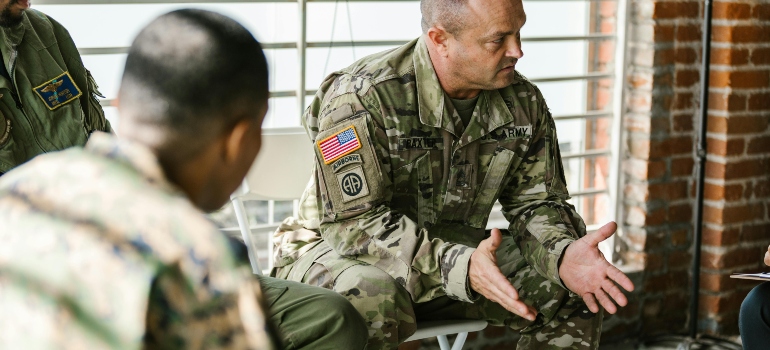
A veteran is talking about his struggle to seek rehab at group therapy.
Veterans face unique barriers when seeking help. Learn more about why Veterans struggle to seek rehab and how we can make a difference.

Breaking the Cycle: How Harmony Ridge Recovery Center WV Supports Veterans

Breaking the cycle of addiction and mental health struggles for veterans requires specialized support. Rehab for veterans, like the programs offered at Harmony Ridge Recovery Center WV, focuses on addressing their unique needs. The center provides a safe, understanding environment where veterans can feel comfortable seeking help. Unlike many other programs, Harmony Ridge Recovery Center WV tailors its approach to each veteran’s specific experiences, including military trauma and PTSD.

The center provides therapy and counseling programs that focus on healing from trauma. These programs aim to address not only the addiction but also the underlying issues that veterans face. With specialized treatments, veterans receive the care they deserve. Harmony Ridge Recovery Center WV also connects veterans to peer support groups, allowing them to share experiences and gain strength from others who understand their struggles.

In addition to therapy, Harmony Ridge Recovery Center WV focuses on providing holistic care. Veterans can access services like physical fitness programs, which help improve overall health and well-being. Nutrition counseling and mindfulness practices also support the healing process. This well-rounded approach makes recovery more accessible and sustainable.

Veterans are often unsure about seeking help, but Harmony Ridge Recovery Center WV creates a welcoming, trustworthy space. The staff works closely with each individual to overcome obstacles, from mistrust in healthcare to financial concerns. For those with Blue Cross Blue Shield drug rehab coverage, this support is even more accessible, easing financial barriers to getting the care they need. This personalized care helps veterans break the cycle and find lasting recovery.

A veteran is sitting and crossing his hands.
Holistic care, including fitness and mindfulness, enhances recovery and overall well-being for veterans.

Learn Why Veterans Struggle to Seek Rehab

Veterans face numerous challenges when it comes to seeking rehab, including the stigma surrounding addiction, the difficulty of transitioning to civilian life, and the presence of PTSD and co-occurring disorders. These issues are compounded by barriers such as financial constraints, long wait times, and geographical limitations. Many veterans also struggle with a mistrust of civilian healthcare systems and fear that seeking treatment could harm their careers. However, understanding these struggles is the first step toward offering veterans the help they need. With the right support, resources, and a tailored approach, veterans can overcome these challenges and begin their journey toward recovery. For example, alcohol rehab for seniors is a model that provides specialized care to older individuals dealing with addiction, which could offer valuable insights for veterans facing similar hurdles. Recognizing why veterans struggle to seek rehab allows society to create more accessible systems to aid them in overcoming addiction.


a girl trying to balance Education and Recovery in West Virginia

Balancing Education and Recovery in West Virginia: A Guide for Young Adults in Rehab

Balancing education and recovery is a challenge faced by many young adults on their path to sobriety. Addiction often disrupts academic progress and personal development, leaving individuals feeling lost and overwhelmed. In West Virginia, the rates of substance abuse among young adults highlight the need for solutions that address both education and recovery. Programs at addiction treatment centers in West Virginia provide the structure and resources to help young adults pursue sobriety while reclaiming their educational goals. These programs emphasize the importance of education and recovery in West Virginia, offering a brighter future. We will explore how young adults can achieve success in both areas.

Understanding Young Adults in Rehab: A Statistical Overview

Substance use among young adults is a significant concern nationwide. According to the 2023 National Survey on Drug Use and Health (NSDUH), 16.9 million individuals aged 18 to 25 reported alcohol consumption in the past month, representing 49.6% of this age group. Additionally, 9.8 million engaged in binge drinking during the same period, accounting for 28.7% of young adults.

teens partying and drinking
Nearly 50% of individuals aged 18 to 25 reported alcohol use in the past month, with 28.7% engaging in binge drinking.

In West Virginia, the situation is particularly alarming. The Behavioral Health Barometer indicates that 25.4% of individuals aged 18 to 25 reported illicit drug use in the past month, significantly higher than the national average. Furthermore, 34.2% of young adults in the state reported marijuana use in the past year.

These statistics underscore the pressing need for targeted rehabilitation programs that address the unique challenges faced by young adults. Comprehensive rehab centers, such as Harmony Ridge Recovery Center WV, offer specialized services designed to meet these needs.

The Impact of Addiction on Education

Addiction deeply affects academic performance. Young adults struggling with substance abuse face numerous challenges that disrupt their education and future prospects. The effects are evident in several ways:

  • Poor attendance: Frequent absences due to substance use or recovery struggles make it hard to maintain steady academic progress.
  • Declining grades: Substance use directly impacts cognitive functions like focus, memory, and problem-solving skills, leading to a noticeable drop in academic performance.
  • Loss of motivation: Addiction shifts priorities, often making education feel secondary to the immediate demands of substance dependency.
  • Behavioral issues: Addiction can result in disciplinary actions, such as suspensions or expulsions, further interrupting academic pathways.

For students who rely on stimulants, the damage can be particularly pronounced. While stimulants may initially provide bursts of energy or focus, their long-term effects can be devastating. Dependency on these substances leads to heightened anxiety, erratic behavior, and eventual burnout. This cycle creates a false sense of productivity, leaving students unable to sustain consistent academic performance.

a teen Balancing Education and Recovery in West Virginia
Programs focusing on education and recovery in West Virginia provide young adults with the tools to rebuild their lives while achieving academic success.

Therefore, stimulants rehab offers specialized treatment programs to help young adults overcome these challenges. By addressing both the physical and psychological effects of stimulant abuse, these programs help individuals regain the stability and focus they need to succeed academically. In rehab, young adults learn coping mechanisms, rebuild their confidence, and start to see education as an achievable goal once again.

Choosing the Right Rehab Program for Young Adults

Not all rehab programs are the same. Young adults need options tailored to their unique needs. Addiction treatment centers in West Virginia provide services that focus on personal growth and academic progress alongside recovery. Key features to look for include:

  • Education support: Programs offering resources like GED preparation, tutoring, or partnerships with schools. Some centers even provide access to online classes, making it easier for individuals to continue their education during treatment.
  • Structured environments: These help young adults maintain focus and accountability, offering routines that create a sense of stability necessary for recovery and learning.
  • Therapeutic services: Combining recovery with academic coaching fosters long-term success. These services often include group therapy sessions, individual counseling, and workshops designed to rebuild self-esteem and confidence.

In addition, programs designed for young adults often offer peer support groups where individuals can connect with others facing similar challenges. These connections help create a community of encouragement and understanding, which can be invaluable during recovery. With the right program, young adults can address their addiction while laying the groundwork for future academic and personal achievements.

Integrating Education into the Recovery Process

Recovery doesn’t have to mean pausing educational goals. Rehab facilities today offer flexible options that allow young adults to keep learning. These include:

  • Online classes: Enabling students to study from the safety of the rehab center, ensuring they don’t fall behind academically.
  • GED programs: Providing opportunities for those who need to complete their high school education, which can open doors to higher education or career advancement.
  • Tutoring services: Offering personalized academic support to help young adults catch up or stay on track with their studies.

Setting realistic goals is important during this phase. Recovery and education can coexist, but progress requires a balance of ambition and practicality. Working with experienced counselors and educators helps ensure that goals are achievable and aligned with the individual’s recovery journey.

a teen in a therapy session
Recovery and education can coexist, with rehab facilities offering flexible options for young adults to continue learning.

Rehab facilities often include individual therapy for addiction, which is beneficial for addressing the challenges young adults face in balancing recovery with academic commitments. These personalized sessions equip individuals with strategies for managing time and handling stress effectively. By integrating education into recovery, young adults can rebuild their confidence and regain a sense of purpose. With support from rehab programs and counselors, they can take meaningful steps toward both academic and personal success.

Holistic Approaches to Support Recovery and Learning

Holistic therapy for addiction is an effective way to balance emotional and physical well-being during recovery. These therapies enhance focus, reduce stress, and foster resilience, which are all essential for academic success. Examples include:

  • Yoga: Improves concentration, reduces anxiety, and helps individuals develop a sense of calm and balance that supports learning and recovery.
  • Mindfulness: Teaches techniques for managing stress and staying present, which can be particularly helpful when juggling academic responsibilities and the challenges of recovery.
  • Nutrition counseling: Focuses on creating healthy eating habits that boost brain function, energy levels, and overall physical health.

In addition to these practices, holistic approaches often include outdoor activities such as hiking or gardening, which allow young adults to connect with nature, relieve stress, and build a sense of accomplishment. These activities are not only therapeutic but also provide opportunities to develop discipline and perseverance, qualities that can enhance academic success.

Art and music therapy are also common elements of holistic care. These creative outlets offer a way to process emotions, reduce anxiety, and build self-confidence. Engaging in these therapies can lead to better emotional regulation, which is important for managing the dual demands of education and recovery.

a group of friends hiking
Holistic approaches often incorporate outdoor activities like hiking, helping young adults relieve stress, connect with nature, and build discipline to support academic success.

Rehab programs that incorporate holistic therapy for addiction help young adults develop a balanced lifestyle that nurtures their academic and personal growth. By addressing both the mind and body, these approaches ensure that individuals are well-prepared to tackle their educational goals while maintaining their sobriety.

Building a Supportive Network

Recovery and education require a strong support system. Rehab programs encourage young adults to build meaningful connections that foster accountability, motivation, and emotional resilience. A supportive network can include various key elements:

  • Peer connections: Support groups within rehab create a sense of community where individuals can share experiences, offer encouragement, and inspire each other to stay on track. These bonds often extend beyond the rehab setting, providing lasting friendships that support both recovery and academic progress.
  • Family involvement: Families can provide stability and encouragement, which are essential during recovery. Family therapy sessions can help repair strained relationships and teach family members how to create a positive environment that supports sobriety and educational goals.
  • Study partners or mentors: Finding someone who understands the demands of both recovery and education can make a significant difference. Mentors can offer guidance and motivation, while study partners can provide accountability and assistance with coursework.

Expanding the support network to include teachers, counselors, or academic advisors is also beneficial. These individuals can offer practical advice, flexibility, and additional resources to help manage academic workloads. In rehab, young adults often learn how to ask for help and communicate effectively, which are skills that extend to building their educational support system.

Online communities can also be a valuable resource. Virtual support groups, forums, and study groups allow young adults to connect with others pursuing similar goals. These connections provide a sense of belonging and encouragement, especially for those who might feel isolated.

A strong support network makes it easier to manage the demands of recovery and education in West Virginia. Knowing that others are invested in their success helps young adults stay motivated and resilient, even during challenging times.

a couple talking to a therapist
Families offer stability and encouragement during recovery, with family therapy helping to foster a supportive environment for sobriety.

Staying Motivated and Avoiding Burnout

Balancing recovery and education requires focus, organization, and emotional resilience. It’s easy to feel overwhelmed by the dual demands, but adopting specific strategies can help young adults stay motivated and avoid burnout. Here are some expanded tips:

  • Prioritize tasks: Break larger goals into smaller, manageable tasks and tackle them one at a time. Using a planner or a digital app can help keep track of deadlines for both recovery-related activities and academic responsibilities.
  • Celebrate small wins: Recognizing progress, no matter how minor can boost morale. Completing a challenging assignment, reaching a recovery milestone, or learning a new skill are all achievements worth celebrating.
  • Set realistic expectations: Recovery is a process, and so is education. It’s important to avoid overloading yourself with too many responsibilities at once. Focus on progress rather than perfection.

Self-care and education are equally important for maintaining motivation during recovery. Activities such as exercising, listening to music, or practicing mindfulness can help reduce stress and prevent burnout. Scheduling regular downtime ensures balance while identifying triggers and using coping strategies—like deep breathing or grounding techniques—helps manage cravings and stress effectively. Journaling progress and emotions provides insights into personal growth and reinforces positive habits.

Positive influences also play an important role in staying motivated. Engaging with supportive peers, seeking encouragement from family, and connecting with mentors or counselors can make challenges feel more manageable. By maintaining a balanced routine, celebrating milestones, and prioritizing self-care, young adults can build resilience and successfully navigate the demands of recovery and education.

How Harmony Ridge Recovery Center WV Supports Young Adults

Harmony Ridge Recovery Center WV provides support tailored specifically for young adults striving to balance sobriety and academics. With a focus on drug rehab for young adults, the center offers personalized programs that address the unique challenges faced by this age group. These programs create a supportive environment where young adults can heal, grow, and pursue their educational goals simultaneously. Key features of Harmony Ridge’s approach include:

  • Flexible schedules: Allowing young adults to continue their education through online classes or GED programs while prioritizing recovery.
  • Holistic therapies: Incorporating yoga, mindfulness, nutrition counseling, and other activities to improve focus, emotional well-being, and physical health.
  • Individual and group counseling: Offering personalized strategies to navigate both academic and recovery challenges.
  • Family and peer support programs: Building a strong network of encouragement and accountability during the recovery process.
a teen and a therapist talking about Education and Recovery in West Virginia
Harmony Ridge Recovery Center WV offers personalized programs for young adults, combining drug rehab with support for balancing sobriety and academics in a healing environment.

Harmony Ridge understands that fostering progress in education and recovery in West Virginia requires a balanced, well-rounded approach. The center’s commitment to addressing both personal and academic growth empowers young adults to achieve their goals while maintaining sobriety.

By addressing the connection of education and recovery in West Virginia, Harmony Ridge Recovery Center WV center offers young adults a path to reclaim their future and build a brighter tomorrow.

Building a Brighter Future Through Education and Recovery in West Virginia

Balancing recovery and education in West Virginia is achievable with dedication and the right guidance. Harmony Ridge Recovery Center WV provides the tools and support young adults need to reclaim their futures. Whether pursuing a degree or finishing high school, young people can succeed while maintaining sobriety. Take the first step today by exploring the programs at Harmony Ridge Recovery Center WV. Reach out for compassionate guidance and start building a brighter tomorrow!


References:

https://www.samhsa.gov/data/sites/default/files/reports/rpt35964/NSDUHHsaeSpecificStates2020F/NSDUHsaeWestVirginia2020.pdf

https://www.niaaa.nih.gov/alcohols-effects-health/alcohol-topics/alcohol-facts-and-statistics/alcohol-and-young-adults-ages-18-25

A sad woman is sitting on the bench and thinking about rehab in West Virginia.

Can You Force Someone Into Rehab in West Virginia?

Dealing with addiction is one of the toughest challenges a family can face. Sometimes, the person struggling with addiction refuses to get help, leaving loved ones feeling helpless. This situation often raises the question: Can you force someone into rehab in West Virginia? Understanding the options available and the legal process is crucial for making informed decisions. In this article, we will explore what it means to force someone into rehab, the legal framework in West Virginia, and the ethical and practical considerations involved. If you’re considering seeking help, Harmony Ridge Recovery Center WV offers a supportive environment that can guide both individuals and their families through the recovery process. Whether you’re looking for guidance or considering alternatives, this discussion will provide you with straightforward information to navigate this difficult path.

A woman is looking out the window and thinking about "Can You Force Someone Into Rehab"
Before taking action, carefully consider all alternatives to involuntary rehab, such as voluntary treatment options.

What Does Forcing Someone Into Rehab Mean?

Forcing someone into rehab means legally requiring them to enter a treatment program against their will. This often happens when the individual refuses help, but their behavior poses a danger to themselves or others. Families usually turn to this option as a last resort when addiction causes significant harm. The process involves meeting specific legal criteria, which vary by state.

In West Virginia, laws allow for involuntary commitment under certain circumstances. For example, the person must show signs of substance use that lead to a serious threat, such as self-harm or neglect. Courts play a role in deciding whether someone meets these requirements. Judges evaluate evidence like medical records, behavioral patterns, and testimony from concerned family members.

Forcing someone into rehab can be emotionally challenging. You may feel conflicted about taking such a step, but it can sometimes save lives. Addiction affects judgment and decision-making, making it hard for someone to recognize their need for help. While this process offers an option to intervene, it doesn’t guarantee success. Treatment outcomes depend on various factors, including the person’s willingness to engage later in the program.

If you’re wondering, can you force someone into rehab, it’s essential to know that this decision isn’t easy. Families must weigh the potential benefits against the emotional and legal challenges involved. Consulting a professional, such as an attorney or addiction specialist, can help you better understand your options. Drug rehab for young adults, in particular, can provide targeted support tailored to their specific needs, offering a path to recovery when voluntary treatment is not an option.

A depressed man is sitting on the couch and holding a bottle of alcohol.
Sometimes, a family intervention can be a powerful way to encourage someone to seek treatment willingly

Legal Framework for Involuntary Commitment in West Virginia

In West Virginia, forcing someone into rehab involves following a legal process. State laws provide guidelines for when and how you can take this step. Understanding these rules is important before moving forward.

Criteria for Involuntary Commitment

To legally commit someone to rehab in West Virginia, they must meet specific criteria. The individual must be suffering from substance use that causes harm to themselves or others. For example, this could include actions like self-neglect, violent behavior, or significant impairment in judgment. Evidence of immediate danger is often required to start the process.

Steps in the Legal Process

The process begins with filing a petition in the local court. A family member, doctor, or law enforcement officer can submit this request. The court then reviews the evidence to determine if the individual meets the legal requirements for involuntary commitment. A hearing may follow, where a judge decides whether treatment is necessary.

If approved, the person is ordered to attend a treatment program. The duration of the commitment varies depending on the case and the court’s decision. In some situations, the person may undergo a mental health evaluation before starting rehab.

Role of Courts and Professionals

The courts play a central role in this process. Judges rely on input from medical professionals, addiction specialists, and witnesses to make informed decisions. Their goal is to balance the individual’s rights with the need to protect them and others from harm.

Understanding the legal framework helps families navigate this difficult decision. If you’re asking – can you force someone into rehab? – knowing these steps will provide clarity. Consulting with an attorney or addiction expert can help guide you through the process.

Involuntary Rehab for Alcohol Use

When alcohol use becomes dangerous, involuntary rehab may offer a way to intervene. This option is often used when someone refuses help but poses a risk to themselves or others. In West Virginia, specific legal measures allow families to take action in these cases. Understanding how these laws apply to alcohol use can help you make informed decisions.

When Is Involuntary Rehab for Alcohol Use Considered?

Involuntary rehab is typically considered when alcohol use leads to severe consequences. These may include:

  • Physical harm or threats of harm to themselves or others.
  • Chronic neglect of personal care, such as failing to eat or maintain hygiene.
  • Behavior that causes harm to family members, including verbal or physical abuse.
  • A clear inability to function in daily life due to excessive drinking.

If any of these situations occur, it may be time to explore involuntary rehab options.

Legal Options in West Virginia

West Virginia law allows involuntary rehab for individuals whose alcohol use creates an immediate risk. The process involves filing a petition in court, similar to other forms of involuntary commitment. Judges examine the evidence, such as medical reports, police records, or testimony from family members, to determine whether rehab is necessary.

Challenges with Involuntary Rehab for Alcohol

While this approach provides a way to address severe alcohol addiction, challenges often arise. Forcing someone into treatment doesn’t guarantee success, as recovery requires personal effort. Some individuals may resist the process, making it difficult for professionals to achieve long-term results.

Seeking Professional Support

If you wonder if you can force someone into rehab, you should know that involving addiction specialists and legal professionals can make the process smoother. They can help you understand your options, prepare the necessary documents, and navigate the emotional difficulties that often come with this decision. Alcohol rehab centers in WV offer professional guidance, which can be valuable when making such an important choice. Taking these steps may improve the chances of success for your loved one.

A woman is trying to convince her husband to get help.
Having an open and honest conversation can be the first step in encouraging a loved one to seek help.

When and How to Force Someone Into Rehab

Forcing someone into rehab is a serious decision. It usually happens when someone’s addiction puts their life or others in danger. This step is often a last resort after attempts to help them voluntarily have failed. Signs that it might be time to act include reckless behavior, self-harm, or neglect of basic needs like eating or hygiene. These actions often show that the person is unable to make safe decisions.

The process starts with gathering evidence of the individual’s behavior. Medical records, police reports, or statements from loved ones can help. In West Virginia, you must file a petition with the court to request involuntary rehab. Family members, law enforcement, or doctors usually initiate this step. A hearing follows, where a judge reviews the evidence and decides if treatment is necessary.

Timing is important. Acting too early might seem overly controlling while waiting too long can put lives at risk. It’s also crucial to approach the situation with compassion. Addiction is a disease that clouds judgment, not a choice. While the process might feel overwhelming, it can provide a path to recovery when other options have failed.

If you’re wondering when and how to force someone into rehab, consult legal and medical professionals. They can guide you through the legal requirements and help you prepare. Addiction specialists can also help create a plan that supports recovery after rehab begins.

A worried woman is looking at the man and asking "Can you force someone into rehab"
Deciding whether to force someone into rehab can be an emotional and difficult choice.

Pros and Cons of Involuntary Rehab

Involuntary rehab is not an easy choice. It comes with both benefits and challenges. Understanding both sides can help you decide if it is the right decision for your loved one.

Pros of Involuntary Rehab

  • Immediate Help for a Dangerous Situation: When someone’s addiction has reached a point where it causes harm, involuntary rehab can provide immediate intervention. This step can prevent further damage, especially when the person refuses help.
  • Protection from Harm: Involuntary rehab protects individuals from situations where their behavior may lead to injury, health problems, or legal issues. It can help stop dangerous patterns like driving under the influence or self-harm.
  • Long-Term Recovery Potential: In some cases, forcing someone into rehab can be the first step toward recovery. With proper treatment, they may eventually realize the importance of getting help and choose to continue treatment voluntarily.

Cons of Involuntary Rehab

  • Resistance to Treatment: People forced into rehab often feel resentful or resistant. If they are not ready to change, the treatment may not be effective. This resistance can create a challenging environment for both the individual and the rehab facility.
  • Emotional Strain on Families: Families may experience guilt or conflict when deciding to force someone into rehab. The decision can lead to tension and strain in relationships.
  • Limited Control Over Recovery: Once the person is in rehab, you may have limited control over their progress. Recovery is a personal journey, and even though rehab may start the process, the person must choose to engage in it.
Two women are sitting and discussing rehab options.
Understanding the steps to take when considering involuntary rehab can help you make informed decisions.

Challenges and Ethical Considerations

Forcing someone into rehab brings several challenges and ethical concerns. One major challenge is that it can cause resistance from the person being forced into treatment. They may feel betrayed or angry, making it harder for them to engage in recovery. In some cases, this resistance can worsen the situation, creating emotional barriers to success.

Ethically, there are concerns about the individual’s right to choose their own treatment. Everyone has the right to make decisions about their body and well-being. When someone is forced into rehab, it can feel like a violation of this autonomy. However, when addiction creates a real threat to health or safety, involuntary rehab may be necessary to protect the person from harm.

Another challenge is that addiction often clouds judgment. The person being forced into rehab may not see the need for help, making them resistant to treatment. This can create tension and strain on family relationships. If you’re wondering what to do when someone doesn’t want help, it’s important to involve professionals who can mediate and offer alternatives.

Despite these challenges, involuntary rehab can offer a chance for recovery when voluntary treatment is not an option. It’s essential to balance the ethical considerations with the need for immediate intervention. Consulting professionals, such as addiction specialists or legal advisors, can help guide you through the decision-making process and address these challenges appropriately.

Alternatives to Involuntary Rehab

If you’re looking for alternatives to involuntary rehab, there are several options to consider. One approach is encouraging outpatient treatment. This allows the person to receive therapy and counseling while still living at home. It can be less disruptive and offers flexibility, which may make the individual more willing to engage.

Support groups are another alternative. Groups like Alcoholics Anonymous (AA) or Narcotics Anonymous (NA) provide a sense of community and shared experiences. These groups can motivate people to seek treatment voluntarily. In some cases, therapy or counseling can be an alternative. Cognitive Behavioral Therapy for substance use disorders (CBT) is one example that helps individuals recognize and change harmful behaviors.

These alternatives offer a less invasive way to address addiction. They provide support and can help the person make the decision to seek treatment on their own terms. If you’re considering these alternatives, always consult with a professional for guidance.

A woman therapist is explaining rehab in West Virginia to her patient.
Support, compassion, and understanding are essential when helping someone through addiction recovery.

So, Can You Force Someone Into Rehab in West Virginia?

The question of “Can you force someone into rehab?” involves complex legal, ethical, and emotional considerations. While involuntary rehab can provide immediate help, it often comes with challenges, such as resistance from the person and emotional strain on families. Understanding the legal framework for involuntary commitment in West Virginia, along with the pros and cons, can guide your decision. It’s important to remember that alternatives, like outpatient treatment, interventions, and support groups, can offer effective solutions without the need for forced rehab. Drug rehab centers in WV provide various treatment options to support individuals in their recovery journey. Always consider all options and consult with professionals to make the best decision for your loved one. Every situation is different, and the path to recovery should prioritize the well-being and dignity of the person involved.

A woman is holding a pill between her teeth.

How Long Does Ecstasy Stay in Your System?

How long does Ecstasy stay in your system? Learning the risks and factors helps you make informed decisions about your health and well-being. Ecstasy, also known as MDMA, is a popular recreational drug often used at parties and music festivals. Its effects include euphoria, increased energy, and altered sensory perceptions. However, understanding how long the drug remains in your body is important for various reasons, such as health concerns or drug testing. In this article, you’ll learn about the factors that influence Ecstasy’s presence in the body, the time it takes to leave different systems, and what steps you can take if you’re dealing with MDMA use. If you or someone you know is struggling with Ecstasy use, drug and alcohol treatment centers in West Virginia can provide the necessary support for recovery.

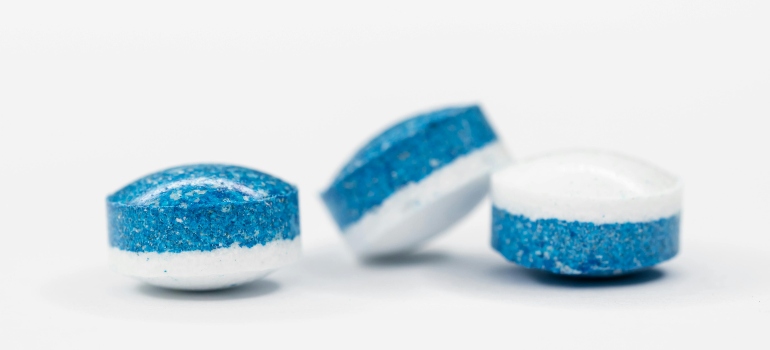
A blue and white Ecstasy pills on the white surface.
Understanding “How long does Ecstasy stay in your system” is key for health and recovery.

What Is Ecstasy (MDMA)?

Ecstasy, also called MDMA, is a synthetic drug that alters mood and perception. People often use it at parties or clubs. It enhances energy levels, emotional warmth, and sensory experiences. MDMA works by increasing serotonin, dopamine, and norepinephrine in your brain. These chemicals impact mood, energy, and emotional responses. Ecstasy typically comes in tablet or capsule form, but some use it as a powder. Its effects can last 3 to 6 hours, depending on the dose and your body. Users often feel euphoric, talkative, and more connected to others. However, it also has risks, including dehydration, increased heart rate, and anxiety. Long-term use can damage serotonin systems, leading to memory problems or depression.

The Drug Enforcement Administration (DEA) classifies MDMA as a Schedule I substance. This means it has a high potential for misuse and no accepted medical use. Despite its illegal status, MDMA remains popular among young adults. If you wonder “How long does Ecstasy stay in your system”, knowing the answer can help you assess potential risks. If you or someone you know struggles with its use, learning about this drug is the first step toward making informed choices. Always prioritize your safety when considering substances like MDMA.

A jar of Ecstasy on the blue surface.
Ecstasy, often used at parties, has short-term effects but long-term health risks.

Factors That Affect How Long Ecstasy Stays in the Body

The time Ecstasy, or MDMA, stays in your system depends on several factors. These factors can vary from person to person. Knowing them can help you understand why detection times differ for everyone.

  • Age: Your age plays a role in how quickly your body processes Ecstasy. As you get older, your metabolism slows down. This means the drug may take longer to leave your system compared to younger individuals.
  • Body Composition: Body fat and weight influence how long MDMA stays in your body. People with higher body fat may retain the drug longer. Since MDMA is water-soluble, hydration levels and body mass can also impact its elimination.
  • Dosage: The amount of MDMA you take directly affects how long it stays in your system. Larger doses take more time to break down and clear from the body compared to smaller amounts.
  • Frequency of Use: Frequent MDMA use causes the drug to build up in your system. If you use it repeatedly, your body takes longer to process and eliminate it.
  • Metabolism: Your metabolism determines how quickly your body processes substances, including MDMA. People with faster metabolisms break down the drug more quickly, while slower metabolisms take longer.
  • Hydration Levels: Staying hydrated can affect how quickly MDMA is flushed out of your body. Dehydration may slow down the process, prolonging the drug’s presence in your system.

These factors combined explain why detection times for MDMA are not the same for everyone. Understanding them can help you make better decisions regarding your health. For those struggling with MDMA use, options like drug rehab for young adults provide structured support to navigate the recovery process.

How MDMA Affects the Brain and Body

MDMA impacts your brain and body in significant ways. Its effects are both physical and psychological, often leading to short-term and long-term changes. Understanding how it works can help you recognize its risks.

Effects on the Brain

MDMA increases the release of serotonin, dopamine, and norepinephrine. These chemicals control your mood, energy, and stress response. The surge of serotonin causes feelings of happiness, emotional closeness, and reduced anxiety. However, this can also lead to a “crash” after the drug wears off, leaving you feeling tired or irritable. Repeated MDMA use can deplete serotonin levels, which may result in memory issues, mood swings, and depression.

Effects on the Body

MDMA raises your heart rate and blood pressure, which can strain your cardiovascular system. It also increases your body temperature, sometimes to dangerous levels, especially in hot environments. This can cause dehydration or overheating. Muscle tension, jaw clenching, and blurred vision are also common side effects. Some users experience nausea or dizziness.

Long-Term Risks

Prolonged MDMA use can damage serotonin receptors in the brain, affecting memory, learning, and emotional health. Physically, regular use can lead to sleep problems, fatigue, or reduced appetite.

Recognizing these effects helps you understand the risks associated with MDMA. If you’re using or considering it, think about how it could affect your long-term health and well-being.

A screaming woman is covered with pills across her face.
Detox and recovery from Ecstasy use require proper care and support to regain balance and health.

The Role of Drug Testing

Drug testing plays an important role in detecting MDMA use. It is often required in workplaces, schools, and legal settings. These tests help identify if someone has recently used Ecstasy. Different testing methods can detect MDMA in the body for varying time frames. Urine tests are the most common and can detect MDMA up to three days after use. Blood tests are more precise but only detect the drug within 24 hours. Saliva tests are less invasive and detect MDMA for one to two days. Hair tests, although less common, can show drug use for up to 90 days.

Factors like dosage, metabolism, and hydration can impact test results. Drug tests serve multiple purposes. They help employers maintain a safe workplace and ensure compliance with policies. Schools and sports organizations use tests to discourage drug use among students and athletes. In legal cases, testing provides evidence for probation or custody decisions.

False positives are rare but possible with some testing methods. For accuracy, laboratories often confirm initial results with advanced testing techniques. Understanding how drug testing works can help you prepare if required to take one. Testing is not only about consequences; it can also prompt important conversations about drug use and health. It serves as a tool to address substance use and take steps toward recovery if needed.

A therapist is sitting in the chair and writing in her notebook.
Medical detox programs provide safe and supervised support for recovery.

Ecstasy Use and Addiction

Ecstasy, or MDMA, is commonly associated with parties and raves, but its use carries serious risks. Many people underestimate the dangers, leading to repeated use that can develop into addiction. Understanding how this happens is key to addressing the problem.

How Ecstasy Use Begins

Most people start using Ecstasy for its euphoric effects. It enhances mood, increases energy, and promotes feelings of connection with others. This makes it popular in social settings like clubs or music festivals. However, the initial high can lead some to use it more frequently to recreate those feelings.

Signs of Addiction

Addiction to Ecstasy happens when someone feels compelled to use it, even when it harms their life. Signs include constant cravings, using larger amounts over time, or failing to stop despite trying. Other warning signs include neglecting responsibilities, changes in mood, or withdrawal symptoms like depression or fatigue when not using the drug.

Physical and Emotional Impact

Long-term Ecstasy use can harm both your body and mind. Physically, it can damage organs like the liver or kidneys. Mentally, it affects your brain’s ability to regulate emotions, leading to anxiety, memory issues, or long-lasting mood changes.

Why Professional Help Matters

Overcoming addiction often requires more than willpower. Professional treatment provides the tools and support needed for recovery. Therapy, medical care, and counseling can address the physical and emotional effects of MDMA use. Recognizing addiction early and seeking help can make a difference in rebuilding a healthier life.

A woman is holding an Ecstasy pill in her mouth.
How Long Does Ecstasy Stay in Your System? Learn the key factors that affect detection times and recovery steps.

Detox and Recovery from Ecstasy Use

Detox and recovery from Ecstasy use can be challenging, but it is possible with the right support and approach. The detox process involves removing the drug from your system, which often causes withdrawal symptoms. These symptoms can include fatigue, depression, anxiety, difficulty sleeping, and loss of appetite. The severity and duration of these symptoms depend on factors like how often you used Ecstasy and in what amounts.

A medical detox program WV can help you manage withdrawal symptoms safely. Healthcare professionals provide supervision and care, reducing the risk of complications. They may also offer medications to ease discomfort and emotional distress. Hydration and a balanced diet are essential during this time, as your body works to regain its natural balance.

Support groups, like Narcotics Anonymous, provide a community of people who share similar experiences. Connecting with others can reduce feelings of isolation and boost motivation. Exercise and mindfulness practices, like yoga or meditation, can also support emotional and physical recovery.

For individuals struggling with stimulant use, entering a stimulants rehab program can provide specialized care to help you recover more effectively. Relapse can happen, but it does not mean failure. Recovery is a journey that requires time and commitment. Each step you take toward a drug-free life improves your well-being and future. Seeking help early increases your chances of a successful recovery and a healthier lifestyle.

How Addiction Treatment Centers Can Help

Addiction treatment centers play a significant role in supporting individuals struggling with Ecstasy addiction. These facilities provide structured environments and personalized care that make recovery more manageable. So if you are worried about “How long does Ecstasy stay in your system”, these treatment centers develop the most effective detox and recovery plans. Let’s explore how they assist in the recovery process.

Personalized Treatment Plans

Each person’s journey with addiction is different, so treatment centers create plans tailored to individual needs. These plans often include medical care, therapy, and support groups. This approach addresses both the physical and psychological effects of Ecstasy use, offering comprehensive care.

Medical Support During Detox

Detoxing from Ecstasy can be challenging, especially if withdrawal symptoms become severe. Treatment centers provide medical supervision to manage these symptoms. Doctors and nurses monitor your health, ensuring that the process is as safe and comfortable as possible.

Therapy and Counseling Services

Therapy is a cornerstone of recovery. Addiction treatment centers offer various types of counseling, including individual, group, and family therapy. Cognitive-behavioral therapy (CBT) is a common method that helps you identify triggers and develop strategies to avoid relapse. Family therapy, meanwhile, helps repair strained relationships and rebuild support systems. For those dealing with opioid addiction, seeking an opiate rehab in West Virginia can provide specialized treatment to address the unique challenges of recovery from opiate use. These programs can offer targeted therapy and resources for a comprehensive recovery experience.

Access to Peer Support

Connecting with others who share similar experiences is a powerful part of recovery. Many treatment centers include group therapy or peer support meetings in their programs. These sessions encourage open discussions, reduce feelings of isolation, and provide motivation to stay on track.

Aftercare and Relapse Prevention

Recovery doesn’t end when treatment does. Addiction treatment centers offer aftercare services like ongoing therapy, support groups, or relapse prevention planning. These resources help you transition back into everyday life while staying focused on long-term sobriety.

With professional guidance, addiction treatment centers give you the tools and support needed to rebuild a healthier, drug-free life.

A happy man in a pink shirt is lying on the sofa and thinking about "how long does Ecstasy stay in Your system"
Recovery from Ecstasy use is a journey; support from professionals can make all the difference.

How Long Does Ecstasy Stay in Your System? Understanding the Facts and Factors

Understanding how long does Ecstasy stay in your system and the effects it has on your body can help you make informed decisions about drug use. Several factors, such as metabolism, frequency of use, and overall health, influence how long the drug remains in your system. Ecstasy’s impact on the brain and body can lead to long-term issues, including addiction. If you or someone you know is struggling with Ecstasy use, seeking professional help is key. Substance abuse treatment in WV offers personalized care, medical support, and therapy to guide you through detox and recovery. Remember, recovery is a journey, and with the right treatment and support, you can regain control of your life.

 

Woman showing her bruise.

Drugs and Skin Sores: Causes, Symptoms, and Treatments

If you’ve noticed skin sores and you’re concerned they might be linked to drug use, you’re not alone. The connection between drugs and skin sores is more common than many realize and understanding this can be your first step towards healing. These sores can range from mild irritations to severe infections that require professional care. Fortunately, help is available. Addiction treatment centers in West Virginia and other places offer both medical attention and support to manage drug use. In this guide, we’ll explore the causes, symptoms, and various treatments to manage and heal skin sores effectively. Our goal is to provide you with the knowledge and resources to support your journey to recovery. Let’s look at how you can start this important healing process today.

Continue reading

Woman looking at herself in the mirror.

Assertiveness in Recovery: Setting Healthy Boundaries

Setting healthy boundaries can feel tough, especially during recovery. It’s easy to fall into old habits, say “yes” too often, or avoid tough conversations. Learning assertiveness in recovery helps you express your needs while respecting others. It’s about being clear, honest, and confident without guilt. Many people in rehab centers in West Virginia have found that boundary-setting is key to long-term success. It protects your mental health, prevents relapse, and builds stronger relationships. You’re not alone in facing these challenges—many struggle with saying “no” or asking for what they need. This guide will show you how to develop assertiveness, set clear boundaries, and handle difficult situations with confidence. Let’s explore practical steps to help you thrive and build the healthy life you deserve.

Continue reading

A woman with her therapist

Unique Challenges of Addiction Treatment for Women

Addiction affects women differently due to biological, emotional, and societal factors that shape their experiences and recovery needs. Women often face additional challenges, such as balancing family responsibilities, dealing with trauma, and navigating societal stigma, making gender-specific care essential. Addiction treatment for women offers personalized approaches that address these complexities. By understanding the unique struggles women face, treatment programs can provide the support they need to achieve lasting sobriety. Women can find specialized care in the West Virginia treatment center, which creates a safe space for healing and empowerment. Their programs reflect the understanding and compassion needed to guide women toward recovery. Continue reading

A teenager talking to a therapist

Spotting Addiction Relapse Warning Signs Before It’s Too Late

Addiction recovery is a lifelong process that comes with setbacks and victories. Among the most significant challenges is the risk of relapse. For many, recognizing addiction relapse warning signs early can mean the difference between maintaining sobriety and returning to old habits. Relapse isn’t a failure—it’s an opportunity to reassess and strengthen recovery strategies. Understanding the triggers and patterns of relapse helps individuals and their loved ones take proactive steps. Specifically, addiction treatment centers in West Virginia offer personalized, evidence-based approaches to recovery that address these challenges head-on. We will walk you through the stages of relapse, the symptoms to watch for, and how to build a relapse prevention plan to ensure lasting sobriety. Continue reading

A group of friends celebrating and drinking

How to Prevent Experimenting Leading to Addiction in Teens

Experimenting with drugs or alcohol during adolescence can lead to dangerous consequences, including addiction. Teens often face peer pressure, curiosity, and stress, making them more likely to try substances without fully understanding the risks. Unfortunately, experimenting leading to addiction is a common pattern that can have lifelong effects. While families in West Virginia have access to resources like detox centers in WV, prevention remains the most effective way to address this issue. Explore how families can prevent experimentation from escalating into addiction through communication, education, and community support. Continue reading

a photo of a couple arguing, representing How Addiction Impacts Relationships

How Addiction Impacts Relationships and How to Heal

Addiction profoundly affects relationships, often leaving loved ones hurt, confused, and struggling to understand what went wrong. Family members, friends, and romantic partners experience the negative effects of addiction in unique but equally challenging ways. The disruption addiction causes doesn’t stop at romantic connections—it extends to family dynamics, friendships, and even professional relationships. Rebuilding these connections after addiction is possible, but it requires dedication, patience, and understanding. We will explore how addiction impacts relationships and offer steps to begin the healing process. Continue reading