Tag Archives: Dual Diagnosis

Man giving pills to an older woman.

The Quiet Link Between Chronic Pain and Addiction in Older Adults

Chronic pain wears you down. It makes daily life harder and can chip away at your mental health. For older adults, this often leads to another problemaddiction. The link between chronic pain and addiction in older adults is real but often missed. Doctors might not ask the right questions. Family members may not spot the signs. Many just assume it’s aging. That delay in noticing can make things worse. If you or someone you care about is hurting, you’re not alone. There is help out there, and recovery is possible. Drug and alcohol treatment centers in West Virginia now offer care that understands the needs of older adults. This article will help you see the signs, understand the risks, and learn what to do next. It’s not too late to get support.

Continue reading

Woman looking out of the window while drinking wine.

How Depression Masks Signs of Substance Use in High-Functioning Adults

It’s easy to miss the signs when someone seems like they have everything under control. High-functioning adults often hide their struggles behind busy schedules and daily achievements. That’s one reason depression masks signs of substance use in high-functioning adults. The signs are there—but they don’t always look the way you’d expect. You might notice changes in sleep, energy, or mood and think it’s just stress. But sometimes, it’s more than that. When depression and substance use show up together, they can feed off each other. That makes both harder to spot and treat. If this feels familiar—for you or someone you care about—know that support exists. Some programs are made to treat both issues at once. If you’re looking for help, dual diagnosis care and drug and alcohol rehab in West Virginia can make a real difference.

Continue reading

A person holding a blister pack

How Benzodiazepine Addiction and Co-occurring Disorders Are Connected — and How to Treat Both

Many people facing mental health issues turn to drugs or alcohol to cope. They might use this strategy to get relief from feelings like anxiety, depression, or the effects of past trauma. Using substances such as alcohol or prescription drugs like benzodiazepines helps them temporarily escape their emotional pain. The quick relief they get, along with the need to handle strong emotions, often leads to ongoing drug or alcohol use, resulting in dependence or addiction, like benzo use disorder (BUD). Furthermore, their use of this unhealthy coping mechanism does not resolve their mental health issue, leading to benzodiazepine addiction and co-occurring disorders. Harmony Ridge Recovery Center can help successfully address both.

Continue reading

A man holding his hands on head because of having meth addiction and PTSD.

Meth and PTSD: Risks, Symptoms, and Treatment Options

People with PTSD, which is a mental health condition caused by trauma, may use meth as a way to cope with their painful emotions. Understanding the connection between meth and PTSD is important for recognizing the risks and finding the right treatment. Getting professional help is important, and places like Harmony Ridge Recovery WV offer programs to help people with both PTSD and substance abuse. In this blog, we will talk about meth and PTSD, the risks involved, and the treatment options available to help those struggling with both conditions.

Continue reading

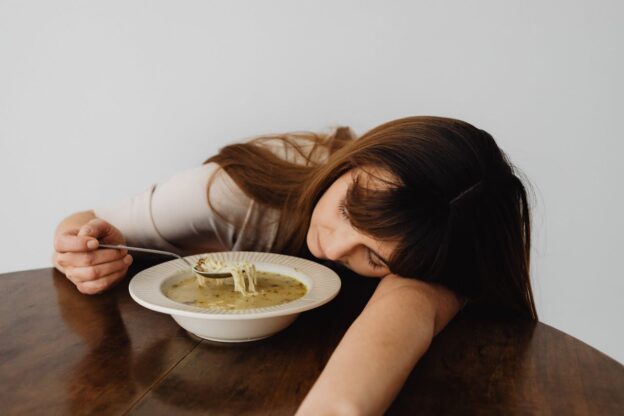
Woman eating a plate of soup.

How Eating Disorders and Addiction Fuel Each Other: What You Need to Know

Eating disorders and addiction often develop together, creating a cycle that can be difficult to break. Many people struggling with disordered eating turn to substances like alcohol or drugs to cope with stress, anxiety, or body image issues. This pattern can worsen both conditions. For example, someone with anorexia may misuse stimulants to suppress their appetite, while a person with bulimia might binge eat and then drink excessively to escape feelings of guilt. At the same time, substance addiction can lead to unhealthy eating habits, further complicating recovery. Over time, these behaviors reinforce each other, making treatment more challenging. Recognizing the connection between eating disorders and addiction is important for those seeking help. Comprehensive care, such as programs at a drug and alcohol rehab in West Virginia, can provide the support needed to address both conditions and work toward lasting recovery.

Continue reading

Woman with measuring tape over her mouth.

What You Need to Know About Eating Disorders and Substance Abuse

Are you feeling trapped in a cycle of eating disorders and substance abuse? You’re not alone, and there’s a way out. This struggle might seem endless, but understanding the ties between these issues can light your path to recovery. Here, we’ll walk through the crucial links, clear signs to watch for, and where to find supportive treatment, including specialized drug and alcohol rehab in West Virginia. Knowledge is power—arming yourself with it can be the first step towards breaking free. Let’s explore together how you can reclaim your life, step by step.

Continue reading

A man leaning on a table and thinking.

Feeling Depressed at Christmas: Overcoming Holiday Triggers in Addiction

Christmas can feel overwhelming, especially if you’re in recovery. Many people struggle with holiday expectations, family issues, or financial stress. Feeling depressed at Christmas is common, but it’s even harder when you’re dealing with addiction or trying to stay sober. Triggers can sneak in when you least expect them—at gatherings, during quiet moments, or scrolling through social media. You’re not alone, and it’s okay to seek help. Taking small steps can make a big difference. Whether it’s setting boundaries, leaning on a support group, or finding local resources, there are ways to protect your mental health. If you’re looking for drug and alcohol treatment centers in West Virginia, they’re here to help you through the season. With the right tools, you can navigate this time with more strength and confidence.

Continue reading

a man in therapy Treating Addiction and Mental Health Together

Understanding Dual Diagnosis: Treating Addiction and Mental Health Together

Dual diagnosis treatment focuses on helping people who face both addiction and mental health challenges. These two issues often occur together, creating a cycle that can make recovery more difficult. Treating addiction and mental health together is necessary to help individuals achieve lasting recovery. At Harmony Ridge Recovery Center WV, experts understand the connection between addiction and mental health and provide the care needed to address both. By using a comprehensive approach, patients receive the support they need to rebuild their lives and find hope. Continue reading

Alcoholism and Mental Illness 

Alcohol use disorder (AUD) is a medical and mental health condition, not a moral issue. AUD was known as “alcoholism” until 1994, when the American Psychiatric Association (APA) discarded that term in favor of “alcohol abuse” and “alcohol dependence.” The organization updated the terminology again in 2013 to “alcohol use disorder”. The APA no longer clinically uses “alcohol abuse” and “alcoholism” because they’re less accurate and contribute to stigma around the condition. What is the connection between alcoholism and mental illness? Read on to learn why AUD is considered a mental health condition, which mental health conditions commonly occur alongside it, and treatment options. Continue reading

A black and white photo of a person covering their face with their hands, representing the link between marijuana and schizophrenia

The Link Between Marijuana and Schizophrenia

The conversation around marijuana, its benefits, and its risks has evolved significantly with its increasing legalization and medical use. However, one critical concern remains at the forefront of this discussion: the potential link between marijuana use and schizophrenia. This article aims to shed light on this complex relationship, offering insights into the components of marijuana, the nature of schizophrenia, and how the two might be interconnected. By examining scientific studies, risk factors, and the implications of legalization, we want to provide a comprehensive overview that supports individuals and families navigating these challenges. Understanding this link is not just about recognizing the risks but also about fostering a supportive environment for those affected, including exploring rehabs in WV for comprehensive support and treatment options.

Continue reading