Tag Archives: Dual Diagnosis

Woman lying in a hospital bed after a suicide attempt.

When a Suicide Attempt and Addiction Intersect

Addiction and a suicide attempt often happen in the same painful space. You may feel trapped between overwhelming emotions and substance use that seems to numb them. At first, drugs or alcohol might feel like relief. Over time, they can deepen depression, increase impulsive choices, and make dark thoughts stronger. That mix can become dangerous quickly. If you or someone you love is facing both addiction and suicidal thoughts, you are not alone. Many people struggle with this overlap, and real help exists. Treatment must address both the substance use and the emotional pain underneath it. When both are treated together, safety improves and hope feels possible again. You deserve support that takes your whole story seriously, not just one part of it.

Continue reading

Woman covering her face while struggling with both BPD and alcohol addiction.

How BPD and Alcohol Use Can Reinforce Each Other

Living with intense emotions can feel exhausting, especially when they shift fast and hit hard. If you struggle with BPD and alcohol, you may notice that drinking seems to calm things down at first. However, that relief rarely lasts. Instead, alcohol often makes mood swings stronger and decisions harder to control. Over time, this pattern can damage relationships, work, and your sense of stability. You might feel stuck in a cycle of regret and repeat behavior. Still, change is possible. With the right support, you can learn safer ways to cope with anger, fear, and emptiness. Many people find real progress through structured care, including a West Virginia treatment center that addresses both mental health and addiction together. You are not weak for needing help.

Continue reading

Man drinking wine and experiencing depression in the elderly.

When Depression in the Elderly Leads to Medication or Alcohol Misuse

Depression later in life often looks different, and that can make it harder to notice. You may see changes in sleep, appetite, or energy before sadness ever shows. Over time, untreated depression in the elderly can push some people toward alcohol or extra medication just to feel steady. Misuse adds new risks and can deepen depression. The good news is that help exists and real change is possible. With the right support, mood can improve and habits can shift. Care often works best when mental health and substance use are treated together. A trusted doctor or West Virginia treatment center can help sort out symptoms, review medications, and create a safer plan.

Continue reading

Sad woman struggling with one of the common mental health disorders sitting at the table.

Common Mental Health Disorders and Their Role in Addiction Recovery

Recovery can feel confusing when emotions seem harder than cravings. Many people blame themselves when progress feels slow. Still, common mental health disorders often play a larger role than you may realize. Anxiety, depression, or trauma can shape how addiction starts and how recovery feels day to day. Because of this, treatment that ignores mental health often falls short. When symptoms stay untreated, stress builds and relapse risk grows. At the same time, support that addresses both issues can change everything. You deserve care that looks at the full picture, not just substance use. Help is available, and it can feel steady and realistic. A trusted West Virginia treatment center can offer therapy and rehab that work together. With the right care, recovery becomes clearer, safer, and more possible.

Continue reading

Young woman lying in bed surrounded by pills and a bottle of beer.

How ADHD and Ritalin Can Lead to Misuse and Dependence

Living with ADHD can feel exhausting. Focus slips, plans fall apart, and simple tasks take more effort than they should. Many people turn to medication for relief, and for many, it helps. Still, ADHD and Ritalin can become complicated over time. Some people hide the problem. Others fear losing care that once helped them cope. That fear often keeps people silent longer than they should. Help exists, and it does not have to wait. Learning what misuse looks like and when support fits can change the outcome. Many people enter reliable detox centers in WV as a first step toward safer care. Honest guidance can protect your health and bring steadiness back.

Continue reading

Terrified woman crying while worrying about ecstasy and PTSD.

Why Ecstasy and PTSD Often Overlap With Substance Abuse

You might not expect party drugs and trauma to connect, but many people live with both. Ecstasy and PTSD often cross paths because pain looks for relief. If memories feel loud or sleep feels impossible, quick numbness can seem helpful. MDMA may soften emotions for a moment, then leave deeper lows behind. Over time, use grows and symptoms return stronger. Help exists, and it works. Treatment that addresses trauma and substance use together gives real stability. Therapy builds safer coping skills. Medical care supports early recovery. Rehab centers in West Virginia offer structured support for people facing both issues. You deserve care that sees whole picture.

Continue reading

Man sitting on the floor while struggling with trauma and depression.

How Trauma and Depression Affect Recovery From Addiction

You may want recovery more than anything, yet something keeps pulling you back. That struggle is not a failure. Many people carry pain that started long before substance use. Trauma can live in the body and show up as fear, anger, or numbness. Depression can drain energy and hope, even on good days. When trauma and depression are present, recovery often feels harder and slower. You deserve clear answers, not blame. These mental health challenges change how the brain handles stress, cravings, and emotions. They can affect sleep, focus, and trust. They can also shape how treatment works. Knowing this helps you make better choices about care. It also helps you ask for the right support. Healing is possible with the right tools, steady help, and patience with yourself today.

Continue reading

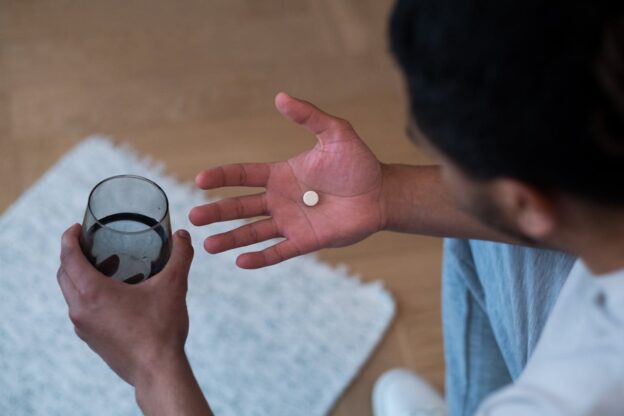
Man sitting on the couch holding a white pill and a glass of water.

The Risks of Self Medication for Bipolar Disorder

Living with bipolar disorder can feel confusing and heavy. Mood swings can hit fast and feel hard to control. Many people try to cope on their own. Some turn to alcohol or drugs for quick relief. This is often called self medication for bipolar disorder. It may seem to help at first. Over time, it can make symptoms worse and add new risks. It can also hide the real need for care. Substance use can change mood, sleep, and judgment. It can push episodes to extremes. This path often leads to more harm and less control. Support can change that path. Help exists that treats both mental health and substance use together. Drug and alcohol rehab in West Virginia can offer care that feels safe and steady. You deserve support.

Continue reading

Anxious woman covering her face and worrying about how long does cannabis-induced anxiety last.

How Long Does Cannabis-Induced Anxiety Last?

Cannabis can feel calming at first, yet anxiety can hit fast and leave you scared and confused. You may wonder how long does cannabis-induced anxiety last, especially if the symptoms stay longer than you hoped. Many people deal with this and feel embarrassed to ask for help, so you’re not alone. The fear feels real, your thoughts race, and your body reacts in ways that seem hard to control. Some people need extra care when anxiety keeps coming back, and rehabs in WV can guide you through deeper problems with use or fear. You can learn what to expect, how to calm your mind, and how to recover without judgment.

Continue reading

Woman going through principles of CBT with her therapist.

Core Principles of CBT and How They Support Addiction Recovery

Many people reach a point where they feel stuck in patterns that keep pulling them toward old habits. You might feel the same pressure and want a clearer path out. The principles of CBT give you simple tools that help you understand your thoughts and change the actions that follow. This approach works well for people who feel overwhelmed or unsure where to start. You learn how to slow down, spot stress signs, and choose safer responses. Many rehabs in WV use cognitive behavioral therapy because it gives structure and hope during tough days. You get support, steady guidance, and space to practice new skills. These steps start small, yet they build real change. With time, you gain more trust in yourself and feel more ready to move forward.

Continue reading