

Klonopin can feel hard to stop because your body may depend on it to feel calm, sleep, or get through the day. That does not mean you are weak. It means your brain has adjusted to the medication, and stopping too fast can shock your system. Klonopin detox is often different from other withdrawals because symptoms may come in waves and last longer than expected. Anxiety, shaking, insomnia, panic, and even seizures can happen without the right care. With the right help, you can reduce the risks, manage symptoms, and start moving toward life without Klonopin in a steady, supported way.
Why Klonopin Detox Is Different
Klonopin detox is different because this medication stays in your body longer and changes how your brain handles calm, sleep, and stress. When you lower the dose, your nervous system may react slowly, then suddenly. That delay can make withdrawal feel confusing and hard to predict. Unlike some short withdrawal periods, Klonopin symptoms can come in waves for days or weeks.

You may feel fine one day and shaky, anxious, or unable to sleep the next. This is why medical care matters. The plan often needs more patience than opioid or fentanyl detox treatment, because benzodiazepines carry a real seizure risk when stopped too fast. A careful taper gives your brain time to adjust while reducing danger and helping you feel supported throughout each hard stage of healing safely today.
Common Klonopin Withdrawal Symptoms
Klonopin withdrawal can affect your body, mood, sleep, and thinking. Symptoms may start slowly, then grow stronger as your dose drops. Some feel mild at first, while others need medical help fast. These are the most common symptoms people report during Klonopin withdrawal:
- Anxiety, panic, racing thoughts, dread, restlessness, or sudden fear
- Trouble sleeping, restless nights, nightmares, or vivid dreams
- Shaking, sweating, nausea, headaches, stomach upset, or muscle pain
- Irritability, mood swings, sadness, anger, or crying spells
- Sensitivity to light, sound, touch, smells, or crowded places
The Risks Of Quitting Klonopin Suddenly
Quitting Klonopin suddenly can put your body under serious stress. Your brain has adjusted to the medication, so a fast stop can leave your nervous system without the support it expects. That can trigger severe anxiety, shaking, insomnia, confusion, and panic that feels hard to control. The biggest risk is seizure, especially if you used Klonopin for a long time or took higher doses.
Sudden withdrawal can also lead to dangerous blood pressure changes, hallucinations, or thoughts of self-harm. You may feel tempted to stop at once because you want freedom from the medication. Still, fast does not mean safer. A supervised taper gives you a better chance to avoid emergencies, stay stable, and keep moving forward without putting your health in danger or losing hope again today safely too.
What A Safe Klonopin Detox Looks Like
A safe Klonopin detox starts with a full medical check, not a guess. Your care team should ask about your dose, how long you have taken it, other medications, alcohol use, mental health, and past withdrawal symptoms. From there, they can build a taper that lowers the dose slowly enough for your body to adjust. You may need regular check-ins, sleep support, anxiety care, and help with cravings or fear.
If you’re in need of a rehab new Lexington OH relies on, look for a program that understands benzodiazepine withdrawal and offers real medical monitoring. Safe detox also includes clear steps for emergencies. You should know who to call, what symptoms matter, and how your plan can change if withdrawal becomes too intense for you at any point during care and recovery safely too.
Why Rehab Can Help With Klonopin Detox
Rehab can make Klonopin detox safer because you are not left guessing through symptoms, dose changes, or fear. You get a team that knows how withdrawal can affect your body and mind. More importantly, you get steady support when anxiety rises or sleep becomes hard. The right setting helps you follow a plan, stay monitored, and start building care that continues after detox with guidance.
Medical Supervision During Withdrawal
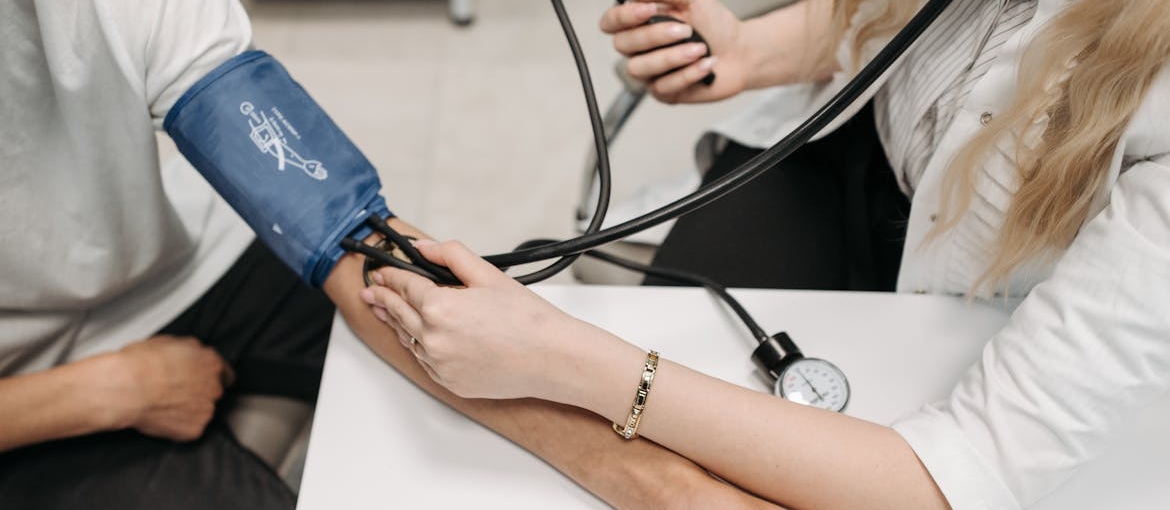
Medical supervision gives you protection during the Klonopin detox process, especially when symptoms shift without warning. In rehab, nurses and doctors can track your blood pressure, sleep, mood, shaking, and seizure risk. They can also respond fast if your body struggles with a dose change. This matters because Klonopin leaves the body slowly, and symptoms may rise days after your last dose.

Many detox centers in WV offer structured care that helps you avoid unsafe shortcuts. You can ask questions, report changes, and get support before symptoms become dangerous. Instead of trying to push through alone, you have people watching your progress and helping you detox from Klonopin safely with a plan that respects your health and comfort from the start while also giving your mind room to settle safely.
Therapy For Anxiety And Dependence
Therapy matters because Klonopin often becomes tied to fear, panic, sleep, or daily stress. During rehab, you can talk through those patterns instead of only focusing on the medication. Individual therapy for addiction gives you private time to look at why Klonopin felt necessary and what can replace it. You may learn ways to calm your body, handle racing thoughts, and respond to anxiety without reaching for a pill.
This is also where Klonopin withdrawal detox becomes more than symptom control. You start building skills for real life after detox. Therapy can help you notice triggers, repair trust, and make decisions with a clearer mind. With steady support, you do not just stop taking Klonopin. You learn how to live without relying on it each day with more confidence today.
Aftercare Planning For Long-Term Recovery
Aftercare helps you keep progress going once detox ends. Without a plan, stress, insomnia, or anxiety can pull you back into old habits quickly. Rehab gives you support before you return to daily life, so you know what to do when cravings or fear show up. Your plan may include therapy, support groups, follow-up care, sleep routines, and relapse prevention steps.
Some programs also use REBT for addiction to help you challenge thoughts that lead to panic or drug use. This kind of planning connects directly to the Klonopin detox timeline because symptoms and emotional changes can continue after the first stage. You leave with next steps, not empty advice. That support can make recovery feel more stable, realistic, and easier to follow over time after treatment is complete safely.

Factors That Affect Klonopin Detox Timeline
Your Klonopin detox timeline may look different from someone else’s, and that is completely normal. The length depends on your body, your dose, and how long you have used the medication. A safer plan moves at your pace instead of forcing a strict deadline. These factors often shape the process:
- Higher doses often need slower reductions to lower seizure risk.
- Long-term use can make withdrawal last longer and feel stronger.
- Other benzodiazepines, alcohol, opioids, or sleep aids may complicate detox.
- Anxiety, panic, depression, or trauma can affect symptom intensity.
- Sleep problems may slow progress and need extra support.
Why Klonopin Withdrawal Needs Medical Care
Klonopin withdrawal needs medical care because symptoms can change fast, even when you feel prepared. Your body may react with panic, shaking, high blood pressure, or confusion as doses drop. Some risks are hard to judge on your own. Medical support helps you stay safer, track changes, and respond early. A care team can guide the process with calm, practical steps that protect you during each stage ahead safely too.
Monitoring For Severe Symptoms
Severe Klonopin detox symptoms can be scary because they may affect your body and your thinking at the same time. You might feel intense anxiety, tremors, sweating, nausea, confusion, or trouble sleeping. In some cases, seizures can happen, especially when someone stops too quickly. Medical monitoring helps catch these warning signs early. A team can check your vital signs, ask the right questions, and adjust support before symptoms grow.

Programs that offer medication assisted treatment in West Virginia may also help manage related substance use needs, when it fits your situation. You should not have to decide alone whether a symptom is normal or dangerous. With medical care, you get clear guidance and fast help when your body needs it most during withdrawal, early recovery, and every difficult change ahead too.
Adjusting The Taper Safely
A safe taper gives your brain time to adjust instead of forcing a sudden drop. Your provider may change the pace based on sleep, anxiety, tremors, and other warning signs. A benzo taper schedule should be personal, not copied from someone else. These steps can help you stay safer here:
- Share every dose, missed dose, and symptom honestly with your care team.
- Ask before changing the plan, even if you feel better.
- Report panic, confusion, shaking, or sleep loss right away.
- Avoid rushing because fast drops can raise seizure risk.
- Keep follow-up visits so your provider can adjust the dose.
Preventing Emergency Complications
Emergency complications are more likely when withdrawal is rushed, hidden, or mixed with other substances. Klonopin affects the nervous system, so sudden changes can lead to seizures, severe panic, confusion, high heart rate, or dangerous sleep loss. Medical care lowers these risks because someone trained can spot problems before they become emergencies.
You also need honest guidance about safety at home. For example, never mix Klonopin and alcohol because both slow the nervous system and can raise the risk of overdose, blackouts, and breathing problems. Klonopin detox treatment can also help if you have used other drugs or feel unable to stop alone. With the right care, you can move through withdrawal with less fear, better monitoring, and a safer plan for recovery after detox, treatment, support, and ongoing care.

Coping Strategies During Klonopin Detox
Coping skills cannot replace medical care, but they can help you get through hard moments. During Klonopin detox, your body may feel tense and your thoughts may race. These simple coping strategies can help you manage symptoms and stay grounded while your body adjusts during Klonopin detox:
- Keep a regular sleep and wake schedule.
- Eat simple meals, even when appetite feels low.
- Drink water and limit caffeine if anxiety spikes hard.
- Use slow breathing when panic starts building.
- Take short walks if your provider says it is safe.
- Write down symptoms so your care team sees patterns.
Life After Klonopin Detox
Life after Klonopin detox can feel strange at first because your brain and body are learning a new rhythm. You may still have anxiety, sleep changes, or moments when you miss the quick relief Klonopin gave you. That does not mean detox failed. It means recovery needs follow-up care. Therapy can help you manage panic, stress, and the habits that built around medication use.
Support groups can also remind you that you are not the only one rebuilding. A strong plan should include relapse prevention, healthy sleep routines, and clear steps for stressful days. Stay honest with your care team if symptoms return. With time, support, and practice, you can build a steadier life without depending on Klonopin to get through it safely again each day with steady support too.
You Don’t Have To Face Klonopin Detox Alone
Klonopin detox should never feel like something you have to face alone. The symptoms can be intense, and stopping too fast can put your health at risk. Still, recovery is possible when you have the right support and a plan that fits your needs. A medical taper can help your body adjust while trained professionals watch for warning signs. Taking the first step may feel hard, but it can lead to real relief, clearer thinking, and a safer path toward long-term healing.
Frequently Asked Questions
How to get off Klonopin without withdrawal?
The safest way is through a slow, medically supervised taper. Stopping suddenly can cause serious symptoms, including seizures. A doctor can reduce the dose gradually and adjust the plan if symptoms appear.
What helps with Klonopin withdrawal?
Medical supervision, a gradual taper, hydration, sleep support, stress reduction, and therapy can help. Some people may also need supervised medications to manage symptoms safely.
How long does Klonopin withdrawal last?
Klonopin withdrawal can last days to weeks, but some symptoms may continue longer. The timeline depends on dosage, length of use, health history, and how slowly the medication is tapered.


