

You may have heard about pink cocaine at parties or online, and it can sound harmless or even trendy. Still, the truth is very different. Pink cocaine is often a mix of powerful drugs, and you rarely know what is actually in it. That makes every use a serious risk. You could face panic, heart problems, or even overdose after one night. Over time, it can lead to strong cravings and loss of control. If you or someone close to you is struggling, you are not alone. Many people need real support to stop. Drug and alcohol rehab in West Virginia can help you get safe, steady care. The first step is learning the facts, and that starts right here with clear, honest information.
What Pink Cocaine Really Is
You may wonder, what is pink cocaine and why are people talking about it so much. Despite the name, it is usually not pure cocaine at all. It is a lab made mix of different substances, pressed or dyed pink to stand out. Dealers market it as exciting or high end, which pulls people in. In reality, you often have no idea what you are taking.
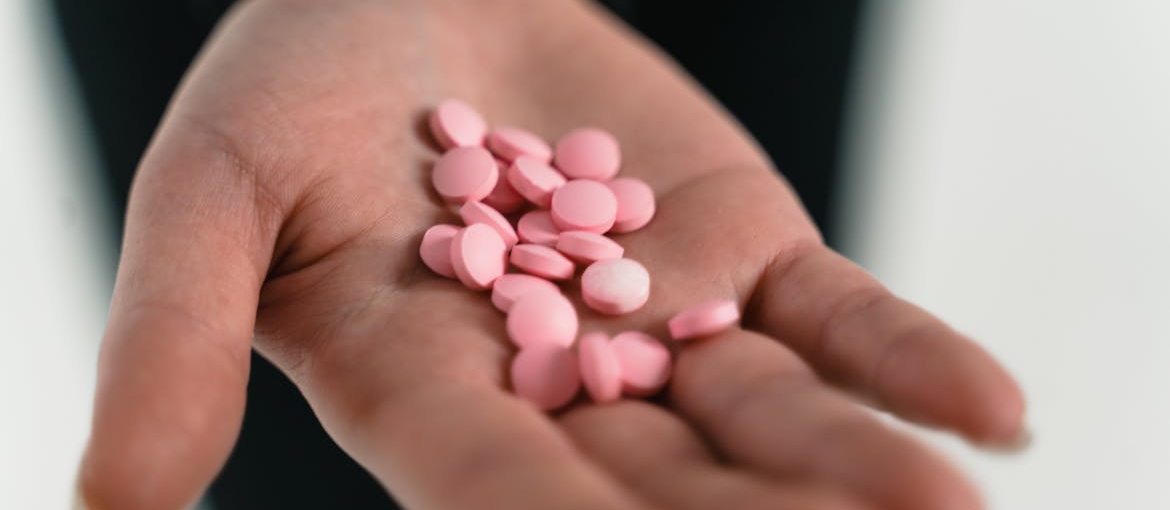
That makes it far riskier than it looks. The pink cocaine drug can contain strong chemicals that affect your heart and brain fast. Because it often acts like powerful stimulants, people may end up needing care similar to stimulants rehab after repeated use. The bright color does not mean it is safer. It only hides how serious the risks can become.
What Pink Cocaine Contains
Pink cocaine ingredients can change from batch to batch. That is one of the biggest dangers. It may contain synthetic stimulants, hallucinogens, ketamine, MDMA, or other lab made drugs. Sometimes small amounts of cocaine are added, but often there is none at all. In many cases, fillers and unknown powders are mixed in to increase profit.
This means the strength and effect can shift every time you use it. One dose might feel mild, while the next could be overwhelming. Because there is no set formula, your body cannot predict how it will react. Your heart rate, mood, and thinking can change quickly. You may feel energy at first, then fear or confusion. That mix of drugs creates unstable and risky reactions that can spiral fast.
Short-Term Effects On The Body And Mind
Pink cocaine can affect you within minutes, and the changes can feel intense and confusing. At first, you may notice energy or euphoria. Soon after, your body can shift into stress mode. Your heart may race, and your thoughts may feel scattered. These pink cocaine effects are not mild party symptoms. They can turn serious very quickly, especially when the mix is strong or unknown.
Watch for signs like the following:
- Rapid heartbeat
- High blood pressure
- Panic attacks
- Hallucinations
- Nausea and vomiting
- Aggression

Long-Term Health Risks
Repeated use can slowly change your body and mind, even if you do not notice it at first. What starts as occasional use can turn into a pattern. Over time, your brain adjusts to the chemicals and begins to rely on them. That shift makes stopping harder. The damage may build quietly, then show up in serious ways.
Long term risks can include:
- Addiction
- Brain changes
- Anxiety disorders
- Depression
- Heart problems
- Sleep issues
Why Pink Cocaine Is So Dangerous
People often ask, is pink cocaine dangerous or just overhyped. The honest answer is yes, it is dangerous, and the risks are real. Since the contents change, you cannot measure how strong it will be. That raises the chance of overdose, heart problems, and sudden panic. Pink cocaine effects can include intense highs followed by sharp crashes.
Those swings can push you to take more, which makes things worse. Over time, your body and mind may depend on it. You might notice sleep issues, mood swings, and poor focus. If use continues, you may need structured care like drug rehab in Clarksburg WV to stabilize safely. The mix of unknown drugs is what makes it so risky. You are gambling with your health each time you take it.
Addiction Risk Factors
You might think you can try it once and walk away. Still, some situations make that much harder. Party settings, peer pressure, and easy access can all raise the risk. If you already struggle with anxiety, depression, or trauma, the pull can feel even stronger. The mix of drugs can create fast highs and harsh crashes, which push you to use again.
Over time, that cycle builds dependence. People who use other substances are also at higher risk because mixing drugs increases both harm and craving. Age can matter too, since younger brains react more strongly to stimulants. If patterns grow, you may need structured care like meth rehab in West Virginia to break the cycle safely and rebuild stability.

Treatment And Rehab Options
Getting help for pink cocaine use can feel overwhelming, yet real support makes a difference. You do not have to figure this out alone. Treatment usually starts with medical care, then moves into structured programs and therapy. Each step builds on the one before it. Together, detox, rehab, and counseling create a clear path forward. With steady guidance and honest work, recovery becomes possible and realistic.
Medical Detox And Stabilization
If you have been using pink cocaine or other mixed drugs, stopping on your own can feel scary. Your body may react with strong cravings, mood swings, or physical symptoms. Medical detox gives you a safe place to begin. Doctors and nurses monitor your heart, blood pressure, and mental state while the drugs leave your system. They can provide medication to ease anxiety, sleep problems, or severe withdrawal signs.
This support lowers the risk of complications and helps you feel more stable. Detox is not the full answer, but it is an important first step. Many substance abuse treatment WV programs start with medical stabilization before moving into deeper care. When your body feels safer, you can focus on the work of recovery with clearer thinking and stronger support.
Inpatient And Outpatient Programs
After detox, you need continued care to build new habits and prevent relapse. Inpatient drug rehab centers in West Virginia provide a structured setting where you live on site for a period of time. This option works well if your use has been heavy or your home life feels unstable. You receive daily therapy, medical support, and peer connection in one place.
On the other hand, an intensive outpatient program in West Virginia allows you to live at home while attending therapy several days a week. This can fit better if you have work or family duties. Both options focus on accountability, skill building, and relapse prevention. The right level of care depends on your history, your health, and how much support you need right now.

Therapy And Behavioral Support
Detox clears your body, but therapy helps change your thinking and behavior. You need space to talk about triggers, stress, and the reasons you started using. Individual therapy allows you to speak openly about fear, shame, or trauma. Group sessions help you see that you are not alone.
Many programs use a CBT treatment plan for substance abuse to help you spot negative thoughts and replace them with healthier ones. You learn how to pause before acting on cravings and how to respond to stress in safer ways. Over time, these skills become habits. Therapy also helps repair relationships and rebuild trust. Real recovery grows when you face hard patterns with support and practice new ways of coping every day.
Overdose Warning Signs
An overdose can happen without warning, especially because the mix is unknown. You may think you took a normal amount, yet your body reacts in a dangerous way. Acting fast can save a life. If you see these signs in yourself or someone else, seek emergency help right away. Later, structured care such as a drug rehab in WV can help address the deeper problem and prevent it from happening again. Watch for:
- Chest pain
- Seizures
- Trouble breathing
- Loss of consciousness
- Extreme confusion
- Blue lips or skin

The Link Between Pink Cocaine And Mental Health
Your mental health and substance use are closely connected. Pink cocaine can intensify emotions in ways that feel overwhelming. At first, you may feel confident or energized. Soon after, fear, sadness, or anger can take over. If you already live with anxiety, depression, or trauma, those symptoms can get worse.
The crash after using can leave you feeling empty or hopeless. That low mood may push you to use again just to escape it. Over time, this back and forth can create a harmful loop. Sleep problems, paranoia, and mood swings may grow stronger. Getting help for both substance use and mental health at the same time can make a real difference and support lasting recovery.
Prevention And Harm Reduction
You may not control every choice others make, but you can protect yourself with honest information and safer habits. Learning the facts helps you see past the hype. Setting limits and planning ahead can lower your risk in social settings. If you notice patterns forming, take them seriously. Early action can prevent deeper harm. Practical steps include:
- Know the risks: Learn how mixed drugs affect your body and brain.
- Avoid mixing substances: Combining drugs increases overdose danger.
- Set clear limits: Decide ahead of time what you will not use.
- Stay with trusted people: Avoid being alone when pressure rises.
- Seek help early: Talk to a professional if use starts to grow.
- Carry support contacts: Keep emergency numbers saved and ready.
Legal Consequences And Social Impact
Pink cocaine does not only affect your health. It can also change your future in ways you may not expect. Possessing or selling it can lead to serious criminal charges. Because the drug often contains multiple illegal substances, penalties can be severe. An arrest can impact your job, education, and housing opportunities. Even one charge may stay on your record for years.
There is also a social cost. Friends and family may pull away as trust breaks down. Financial stress can grow if money goes toward drugs instead of bills. Over time, isolation can deepen the cycle of use. These consequences often build quietly, then feel overwhelming all at once. Getting help early can protect not only your health, but also your freedom, stability, and relationships.
Do Not Wait Until It Gets Worse
Pink cocaine may look harmless, but the risks are real and serious. You cannot trust what is in it, and that makes every use dangerous. One night can turn into a health crisis. Over time, the damage can grow and affect your body, your mind, and your relationships. Still, change is possible. If you see these patterns in your life, take them seriously. Talk to someone you trust and reach out for professional help. Treatment can give you medical care, therapy, and support that actually works. You do not have to wait for things to get worse. The sooner you act, the safer you can be. Pink cocaine does not have to control your future. With the right help, you can take your life back and move toward real stability.
Frequently Asked Questions
Is pink cocaine actually cocaine?
No. Pink cocaine usually does not contain traditional cocaine. It is often a mix of synthetic drugs such as stimulants, hallucinogens, or other unknown substances. The pink color is added for marketing and appeal, not because of its ingredients. This makes it unpredictable and risky.
Why is pink cocaine so dangerous?
The biggest danger is that you do not know what you are taking. Each batch can contain different drugs and different strengths. That raises the risk of overdose, severe reactions, heart problems, panic, or long-term mental health issues.
Can pink cocaine cause addiction?
Yes. Because it often contains powerful stimulants or other addictive substances, repeated use can quickly lead to cravings, dependence, and withdrawal symptoms.


