

If you searched what are poppers because you or someone you love has used them, you deserve clear answers without shame. Poppers are inhaled chemicals that can cause a fast rush, relaxed muscles, dizziness, and lowered blood pressure. While some people see them as harmless, they can still carry real risks, especially when mixed with other drugs or used often. Headaches, fainting, burns, vision problems, and strong cravings can happen. Some people also find it harder to stop than they expected. That can feel confusing, but it is not a personal failure. Support is available, and rehab centers in West Virginia can help you understand substance use, manage triggers, and build safer habits with care that fits your needs.
What Are Poppers?
If you have searched what are poppers, you may be trying to make sense of a drug that many people talk about casually. Poppers are inhaled chemicals called alkyl nitrites, often sold in small bottles. People usually sniff the fumes for a fast rush, warmth, and muscle relaxation. The effects come on quickly and fade within minutes, which can make them seem less risky than other drugs.
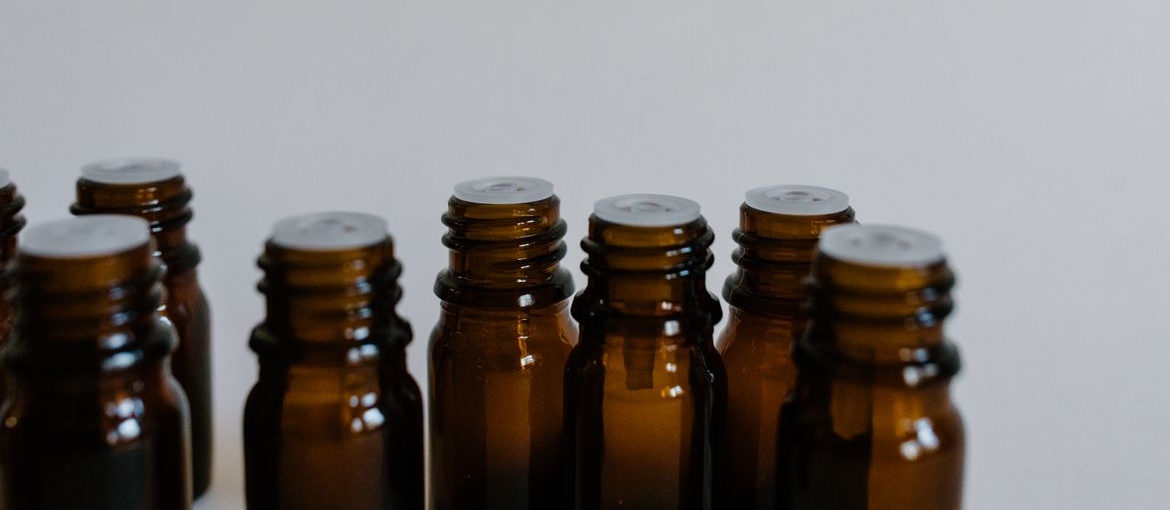
Still, they can affect your heart, blood pressure, breathing, and judgment. Some people also ask what are poppers drugs because the bottles may be labeled as cleaners or deodorizers instead of drugs. If use starts to feel hard to control, drug rehab WV support may help you talk through it safely.
How Poppers Affect The Body
Poppers affect your body fast because you inhale them, and the chemicals move quickly through your lungs into your blood. They relax smooth muscles and widen blood vessels, which can lower blood pressure in a short time. That sudden change may cause warmth, dizziness, flushing, or a racing heartbeat.
Some people ask what are poppers used for because they are often linked to sex, party settings, or short bursts of pleasure. Still, the same effects that feel intense can also make you faint or feel weak. If you also live with anxiety, depression, trauma, or another mental health concern, dual diagnosis treatment West Virginia programs may help you address both substance use and emotional stress together.
Common Side Effects Of Poppers
Poppers can affect each person differently, but some reactions are common because these chemicals change blood flow and lower blood pressure quickly. If you want to know poppers side effects, pay attention to what happens during use and after it ends. These are some of the most common reactions people may notice after using poppers:
- Headaches: Blood vessel changes can trigger strong head pain soon after use.
- Dizziness: A sudden drop in blood pressure may make you feel unsteady.
- Flushing: Your face and skin may feel warm or look red.
- Nausea: Some people feel sick, especially after repeated use.
- Rapid heartbeat: Your heart may beat faster as your body reacts.
- Fainting: Low blood pressure can make you pass out.
- Throat irritation: Fumes may burn or bother your nose and throat.

Can Poppers Be Addictive?
Many people ask what do poppers do, but the bigger question is often why they keep going back to them. Poppers are not known for causing strong physical dependence like opioids or alcohol can. However, repeated use can still become a pattern. You may start linking them with sex, parties, stress relief, confidence, or escape.
Over time, that link can make it hard to stop, even when side effects scare you. If cravings, shame, or repeated use are showing up, take that seriously. Individual therapy for addiction can help you look at triggers without judgment. It can also help you build safer coping skills, set limits, and understand what you need before use becomes more harmful.
Poppers Withdrawal Symptoms
People often ask about poppers withdrawal symptoms when stopping feels harder than expected. Poppers may not cause classic physical withdrawal for most users, but frequent use can still lead to cravings, mood shifts, stress, and trouble changing habits. These symptoms may show up when someone stops using poppers after repeated or frequent use:
- Cravings: You may want to use them in familiar places or situations.
- Mood changes: Irritability, sadness, or anxiety can show up after stopping.
- Sleep trouble: Stress and cravings may make rest harder.
- Shame: You may feel guilty, even though support can help.
- Sexual triggers: Certain settings may make urges stronger.
- Habit loops: Your brain may expect use during routine moments.
- Low motivation: You may feel flat while adjusting to life without use.
Poppers And Rehab Treatment
Poppers use can feel private, which often makes it harder to ask for help. Still, treatment is not only for severe addiction or crisis moments. If your use causes stress, health worries, risky choices, or repeated regret, support can help you slow down and make safer decisions. Rehab can give you structure, honest care, and tools to understand your habits before they become harder to change.

When To Seek Professional Help
You may need help if poppers use keeps showing up after you promise yourself it will stop. You may also need support if you feel anxious, ashamed, or worried about mixing substances. Some people wait because they think poppers are not “serious enough” for treatment, but your stress matters.
If use affects your health, sex life, mood, money, or safety, it is worth talking to someone. A rehab Point Pleasant WV program can help you sort through what is happening without blame. You do not need to hit a breaking point first. Reaching out early can make it easier to change patterns, avoid bigger risks, and feel less alone.
How Rehab Addresses Substance Use
Rehab gives you a safe place to look at substance use with support, structure, and honest care. You can talk about poppers, other drugs, mental health, stress, and habits that feel hard to break. Treatment is not only for one type of drug. A center that offers barbiturates rehab may also help people with many substance use concerns.
The goal is to understand your triggers, reduce harm, and build better ways to cope. You may work with counselors, medical staff, and support groups. Together, they help you make a plan that fits your real life. That plan can include therapy, relapse prevention, family support, and aftercare.
Therapy, Support, And Relapse Prevention
Therapy can help you understand why poppers became part of your routine. Maybe they are tied to stress, sex, confidence, trauma, loneliness, or pressure from others. Once you see the pattern, you can start changing it. Support also helps because secrecy often makes substance use feel stronger.
You can learn how to handle cravings, set limits, avoid risky places, and talk through shame. Some programs use REBT for addiction to help you challenge thoughts that keep you stuck. For example, you may learn that one urge does not mean you have failed. Relapse prevention is not about being perfect. It is about knowing your risks and having a clear plan.

Health Risks And Dangers
The question are poppers safe does not have a simple yes or no answer. Some people use them without thinking much about harm, but serious risks can happen, especially with other drugs, health issues, or repeated use. These risks can become more serious when poppers are used often, mixed with other drugs, or used despite health concerns:
- Medication interactions: Poppers can be dangerous with ED drugs or blood pressure medicine.
- Severe low blood pressure: A sharp drop can cause collapse or injury.
- Chemical burns: Liquid contact can burn skin, lips, or the nose.
- Vision damage: Some users report blurred vision or lasting eye problems.
- Breathing trouble: Strong fumes may irritate the lungs and chest.
- Risky choices: Impaired judgment can raise the chance of unsafe sex.
- Emergency symptoms: Chest pain, fainting, or blue lips need urgent care.
Safer Choices And Getting Help
Safer choices start with honest information and the right support. If poppers have caused health scares, stress, or risky situations, you do not have to handle it alone. Small steps, like speaking with a doctor or avoiding dangerous drug mixes, can lower harm right away. From there, support can help you understand your use, protect your health, and decide what needs to change.
Talking To A Medical Professional
A medical professional can help you understand how poppers affect your body, especially if you have fainted, felt chest pain, noticed vision changes, or mixed them with other drugs. Be honest about what you used and how often. Doctors are there to help, not shame you. They can check your blood pressure, heart health, breathing, and medication risks.
This matters if you take ED medication, blood pressure pills, or other substances. If you also use stimulants, a stimulants addiction rehab center may offer more focused support. You deserve care that looks at the whole picture. Clear information can help you make safer choices and decide what kind of help you need.

Avoiding High-Risk Combinations
Poppers can become much more dangerous when mixed with certain drugs or used during risky situations. If you are asking what are poppers, you should also know which combinations can raise the chance of fainting, injury, overdose, or medical emergencies. These combinations can make poppers more dangerous and may raise the risk of a medical emergency:
- ED medications: Viagra, Cialis, and similar drugs can cause unsafe blood pressure drops.
- Blood pressure pills: Mixing them with poppers may lead to fainting or collapse.
- Alcohol: Drinking can worsen dizziness, poor judgment, and nausea.
- Stimulants: Cocaine or meth can strain the heart while poppers affect blood flow.
- Other inhalants: Combining fumes can increase breathing and brain risks.
- Sex drugs: Party drugs may raise the chance of unsafe choices.
- Unknown substances: Unclear ingredients make reactions harder to predict.
Finding Support For Substance Use Concerns
You do not have to explain everything perfectly before asking for help. If poppers use worries you, that is enough reason to talk to someone. Support can start with a doctor, therapist, trusted loved one, or treatment center. You may only need education and a safer plan, or you may need deeper care for cravings, trauma, anxiety, or other drug use.
Either way, help should meet you where you are. If you have wondered what are poppers and now feel unsure about your own use, listen to that concern. It can be the first step toward change. With the right support, you can protect your health, lower your risks, and feel more in control again.
Talk To Someone Who Can Help
Knowing what are poppers can help you make safer choices, especially if use has started to feel hard to control. These chemicals may seem minor because their effects pass quickly, but the risks can be serious. Headaches, fainting, burns, vision problems, and dangerous drug interactions should not be ignored. If you feel worried about cravings, repeated use, or mixing poppers with other substances, take that concern seriously. You do not have to wait for things to get worse before asking for help. A doctor, counselor, or treatment center can help you talk through what is happening and what support fits your life. Reaching out is not a sign that you failed. It is a practical step toward feeling safer, clearer, and more in control.
Frequently Asked Questions
What are poppers made of?
Poppers are chemical compounds known as alkyl nitrates, including amyl nitrite, butyl nitrite, and isobutyl nitrite. They are inhaled for their short-lived effects, which include muscle relaxation and a brief feeling of euphoria.
Do poppers have withdrawal symptoms?
Poppers are not generally considered physically addictive, but some people may experience cravings or psychological dependence after frequent use. While classic withdrawal symptoms are uncommon, regular users may notice mood changes or a desire to continue using them.
What are the side effects of poppers?
Common poppers side effects include headaches, dizziness, lightheadedness, flushing, and a rapid heartbeat. In some cases, they can cause low blood pressure, fainting, skin irritation, or serious health complications when combined with certain medications.


