

addiction
Alcohol Rehab WV
Our specialized programs are designed to address the unique challenges of alcohol dependence and provide the necessary care and guidance to help you achieve lasting sobriety.
CONTACT US TODAY
Alcohol addiction is a deeply troubling issue and a growing concern in the 21st century. The National Institute on Alcohol Abuse and Alcoholism found that in 2019, a startling 14.5 million Americans had Alcohol Use Disorder (AUD). Due to alcohol being more culturally acceptable and available, this figure does not show signs of decreasing, as more and more people become binge drinkers to fit in or cope with a post-pandemic world.
At Harmony Ridge Recovery Center WV, we are keenly aware of the destructive effects of alcohol addiction. It can erode social and familial bonds, exacerbate mental health disorders, and put alcohol abusers at risk of physical and mental harm. As a pioneer among centers for alcohol rehab WV offers, our comprehensive alcohol rehab program seeks to meet this challenge head-on and give you back the life you deserve.
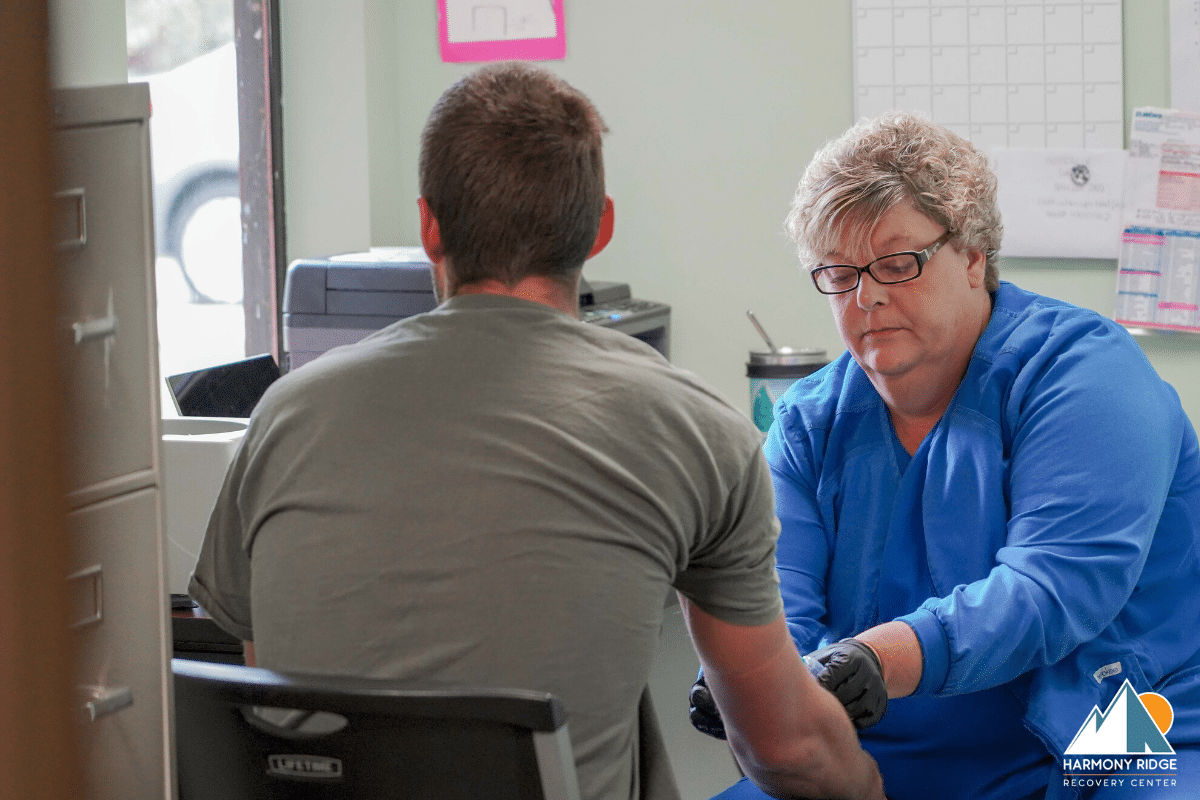
Understanding Alcohol Addiction
CONTACT US TODAY
How Alcohol Addiction Develops
Alcohol addiction rarely happens overnight. For most people, it begins innocently — a drink after work, a few drinks at a social event, a way to unwind from a stressful day. The problem is that the line between social drinking and dependency can be crossed gradually, without the person ever realizing it.
The CDC reports that excessive drinking is responsible for one in ten deaths among working-age adults (20–64). An estimated 17 million adults in America have alcohol addiction, and over 850,000 young people between the ages of 12 and 17 show signs of alcohol abuse. Because drinking is so normalized, many people are well into addiction before they recognize it for what it is.
Risk Factors for Alcohol Addiction
Alcohol addiction does not discriminate. It can affect anyone — but certain factors increase the risk:
- Family history. Addiction is a disease that runs in families. More than 10% of children in the U.S. live with a parent who abuses alcohol.
- Stress and environment. High-pressure jobs, difficult home lives, and social circles that normalize heavy drinking all increase vulnerability.
- Gender differences. Men and women metabolize alcohol differently. Women retain more alcohol in the body due to higher body fat percentage and lower blood volume, making them more vulnerable to its effects with less consumption. Men, meanwhile, tend to produce more of the enzyme that breaks down alcohol, which can lead to drinking more before feeling the effects — building tolerance and dependency faster.
- Mental health. Anxiety, depression, PTSD, and other conditions frequently co-occur with alcohol addiction, each making the other worse.
Types of Alcohol Use Disorder: Are You at Risk?
Not every person with an alcohol problem fits the stereotype. Addiction looks different across different people:
The high-functioning alcoholic appears successful by every outward measure — a demanding career, a stable family, a full social life. They justify their drinking as a reward for hard work or as a way to unwind. But no one can sustain heavy drinking and maintain their responsibilities indefinitely. Eventually, the consequences catch up.
The binge drinker may not drink every day, but regularly consumes large amounts in short periods. Binge drinking — more than five drinks in two hours for men, four for women — carries serious risks: alcohol poisoning, accidents, blackouts, and, over time, the same physical dependency as daily drinking.
The person drinking to cope turns to alcohol as a way to manage pain, stress, or emotional difficulty. What starts as relief becomes a trap, as alcohol worsens the very problems it was meant to quiet.
Recognizing the Signs of Alcohol Addiction
CONTACT US TODAY
Because alcohol use is so socially embedded, identifying a problem in yourself or a loved one can be genuinely difficult. These are the signs that alcohol has moved beyond recreational use:
- Drinking more than intended, or for longer than planned
- Repeated failed attempts to cut back or stop
- Spending significant time drinking, recovering, or thinking about alcohol
- Neglecting responsibilities at work, school, or home because of drinking
- Continuing to drink despite relationship problems caused by it
- Giving up activities that were once important in favor of drinking
- Drinking in situations where it’s physically dangerous
- Needing more alcohol to feel the same effect (tolerance)
- Feeling anxious, shaky, or unwell when not drinking (dependence)
If several of these apply to you or someone you care about, it’s time to seek professional help. Alcohol Use Disorder is a medical condition — not a moral failing — and it responds well to the right treatment.
Why You Can’t Just Quit on Your Own
One of the most dangerous misconceptions about alcohol addiction is that willpower alone is enough to stop. For many people with AUD, quitting cold turkey without medical supervision is not just difficult — it can be life-threatening.
When someone who is physically dependent on alcohol stops drinking suddenly, the body goes into withdrawal. Unlike withdrawal from many other substances, alcohol withdrawal can cause seizures, hallucinations, and a condition called delirium tremens (DTs) — all of which can be fatal without proper medical care.
Alcohol Withdrawal Timeline
CONTACT US TODAY
6 hours after the last drink — Early symptoms begin: anxiety, headache, nausea, insomnia, and abdominal discomfort. In people with a long history of heavy drinking, seizures can occur even at this early stage.
12 to 24 hours — Some people begin experiencing hallucinations — seeing or hearing things that aren’t there.
24 to 48 hours — Symptoms intensify. Shaking and heavy sweating become more pronounced.
48 to 72 hours — The highest-risk window for delirium tremens. Symptoms include extreme confusion, high fever, racing heart, and severe seizures.
72 hours and beyond — Symptoms begin to peak and gradually subside, though some people experience prolonged withdrawal that can last weeks.
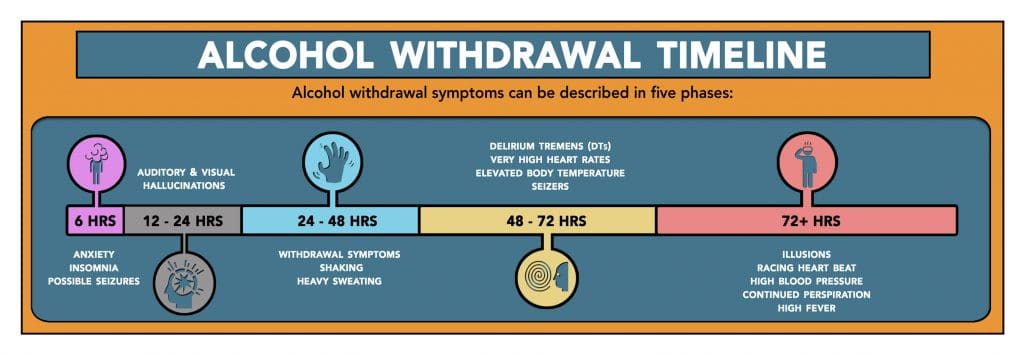
Medical supervision throughout this process isn’t a luxury — it’s a necessity. At Harmony Ridge, patients are monitored around the clock during detox, with our experienced clinical team ready to administer medications that ease withdrawal symptoms and keep patients safe and as comfortable as possible.
When is it Time to Seek Help or Treatment for Alcohol Use?
CONTACT US TODAY
Alcohol misuse can very easily spiral into abuse and addiction. Because alcohol is socially acceptable and prevalent in art and media, it can tempt an individual more easily than illicit substances.
To identify a potential case of addiction in yourself or a loved one, look for these early signs:
- Consuming larger quantities than intended
- Unsuccessfully trying to reduce alcohol consumption
- Obsessing over alcohol at the expense of other activities
- Facing difficulties at school or work because of alcohol
- Problems in relationships because of drinking
- Finding yourself in harm’s way during or after drinking
- Alcohol impacting your mental health and emotional well-being
- Needing to consume larger quantities to get the same effect
- Facing intense withdrawal symptoms after taking a break from alcohol
If any of the above apply to you or someone you know, it may be wise to seek professional help at an alcohol rehab center in WV. You may begin with thorough introspection or an intervention, followed by expert counseling. If the issue persists, we strongly encourage you to explore treatment options.
How Much Is Too Much?
The U.S. definition of a standard drink is a beverage containing 0.6 ounces of pure alcohol. However, most people’s “standard drink” contains substantially more, meaning they are likely consuming more than the recommended amount per serving.
The CDC defines heavy drinking as women consuming eight or more drinks per week, and men consuming fifteen or more per week. Binge drinking is defined as more than five drinks within two hours for men, and four or more for women.
Short-term side effects of alcohol include:
- Injuries from motor vehicle accidents, falls, and drownings
- Violence, including sexual assault, domestic violence, and suicide
- Alcohol poisoning
- Slurred speech and decreased coordination
- Blackouts
- STIs due to risky sexual behavior
- Miscarriages and fetal alcohol spectrum disorders among pregnant women
Long-term side effects of alcohol include:
- Permanent brain damage
- High blood pressure, heart disease, heart attack, heart failure, and stroke
- Irregular heartbeat
- Osteoporosis and diabetes
- Cancer
- Liver disease
How Harmony Ridge Recovery Center WV Handles Your Recovery from Alcohol?
CONTACT US TODAY
Recovery from alcohol addiction is a process, not an event. A comprehensive treatment plan addresses the physical dependency, the behavioral patterns, and the underlying causes — in that order. At Harmony Ridge, we build every addiction treatment plan individually, because no two people arrive at addiction the same way.
What Makes Our Alcohol Rehab Different
- Individualized care. We don’t believe in one-size-fits-all treatment. Your plan is built around your specific history, severity, and needs.
- Discretion and empathy. Many of our staff have personal experience with recovery. We approach every patient with genuine understanding, not judgment.
- Honest, open support. We tell patients the truth about what recovery takes, and we back that honesty with unwavering encouragement.
- Commitment to aftercare. We know that the period after formal treatment is when relapse risk is highest. Our support doesn’t stop when you leave the facility.
Alcohol Rehab Programs at Harmony Ridge WV
CONTACT US TODAY
Alcohol addiction treatment works best as a progression — each level of care building on the last. For most people with AUD, that journey looks something like this:
- Medical Detox — The essential first step. The body clears alcohol safely under round-the-clock supervision, with medication available to manage withdrawal. Detox alone is not treatment; it’s the foundation for what comes next.
- Partial Hospitalization (PHP) — Intensive daily care for severe cases, particularly where co-occurring mental health conditions are involved, without requiring an overnight stay.
- Residential Rehab — Patients live at the facility for 1 to 3 months, fully removed from the environments and triggers that fueled their drinking. This is where the deeper work happens. Take a look at our photo gallery to see the environment where recovery takes place.
- Intensive Outpatient Program (IOP) — Structured therapy and support while living at home. A strong option for milder cases or as a step-down from residential care.
- Outpatient Program (OP) — The least intensive level of care, suited for mild dependence or as a final transition back to everyday life.
- Aftercare — Recovery doesn’t end at discharge. Continued therapy, peer support, and relapse prevention tools are what separate short-term sobriety from lasting change.
Not every patient needs every step. Our team assesses each individual and recommends the right entry point and progression based on the severity of their addiction, their home environment, and their personal circumstances.
Behavioral Therapy for Alcohol Misuse and Addiction
CONTACT US TODAY
Alcohol addiction has behavioral roots that medical detox alone cannot address. Our programs incorporate a range of evidence-based therapies to target the thought patterns, emotional triggers, and relationship dynamics that drive addictive behavior:
- Cognitive Behavioral Therapy (CBT). As the best-known type of psychotherapy, CBT offers a very efficient, non-invasive, and non-medical approach to therapy. Its tenets also find applications in such psychotherapies as DBT and REBT, which our programs also offer.
- Dialectical Behavior Therapy (DBT) — Builds on CBT with a focus on emotional regulation and distress tolerance, helping patients manage the intense emotions that often underlie alcohol use.
- Motivational Enhancement Therapy (MET). Also known as motivational interviewing, MET strongly emphasizes internally motivated change. It leans onto the individual and their own emotional needs, instead of directing them to where the therapist deems best.
- 12-Step Programs. A staple of both individual therapy and group therapy, 12-step programs based on AA are a key component of all our programs. Research continues to demonstrate its effectiveness, and our patients and we can only attest to it as well.
- Marital and family counseling. Addictions of all kinds tend to impact marriages and families the most. To address this, our programs offer extensive counseling to mend these wounds and let the individuals rebuild their relationships.
- Holistic Therapies — Including art therapy, music therapy, yoga, and meditation, these approaches support the emotional and spiritual dimensions of recovery alongside clinical treatment.
Dual Diagnosis at Alcohol Rehab WV: Treating Addiction and Mental Health Together
CONTACT US TODAY
Alcohol addiction and mental health disorders are deeply intertwined. Research shows that 37% of people with alcohol addiction have at least one serious co-occurring mental illness — and that one condition reliably worsens the other. Anxiety, depression, bipolar disorder, PTSD, and other conditions can all drive someone toward alcohol as a way to cope, while alcohol in turn makes those conditions harder to manage and treat.
At Harmony Ridge, dual diagnosis treatment is not an add-on — it’s built into every program. We assess and treat co-occurring conditions alongside addiction from day one, because treating only one without the other rarely leads to lasting recovery from alcoholism.

Helping a Loved One Struggling with Alcoholism
CONTACT US TODAY
If you’re reading this for someone else, the most important thing to know is: intervene early, and do it with support rather than confrontation. Clinical guidance consistently shows that:
- Persistence matters. It often takes multiple conversations before someone with AUD is ready to accept help. Don’t give up after the first attempt.
- Confrontation backfires. Lecturing, accusing, or issuing ultimatums tends to push people further into denial. Stay calm and supportive.
- Labels don’t help. Calling someone an “alcoholic” to their face often feels like an attack, not an observation.
- Threats and guilt rarely work. Focus on expressing care and concern, not consequences.
- Offer to help, not just advise. Offering to accompany your loved one to a first appointment at the alcohol rehab or calling the admissions team together makes the step feel less overwhelming.
Our rehab for loved ones page has more guidance on navigating this process. Our admissions team is also available 24/7 to guide families through supporting someone into treatment — including how to approach those difficult first conversations.
Will Insurance Cover the Cost of Your Alcohol Rehab?
CONTACT US TODAY
Having mentioned costs, here we should also touch on our insurance coverage. As highlighted just above, we accept most major insurance plans, including:
In line with the Affordable Care Act and the Mental Health Parity And Addiction Equity Act (MHPAEA), all plans must cover behavioral health treatment, mental and behavioral health inpatient services, and substance use disorder treatment. It is notable, however, that exact coverage will vary depending on your state, plan, and provider.
If your insurance provider does not cover the full cost of AUD treatment, you may also consider other payment options, like:
- Self-pay
- Personal loan
- Medicaid
Should you need additional information on payment options or anything else, feel free to give us a call at (855) 942-3797. Our representatives are available 24/7 to answer all of your questions and explore your financing options.
Start Your Recovery at Harmony Ridge — West Virginia's Alcohol Rehab Center
CONTACT US TODAY
Accepting that alcohol has taken control of your life is hard. Taking the first step to change it is harder. But freedom from addiction is possible — and it’s worth everything. If you or someone you love is ready to start, our alcohol rehab in WV is here. Call or contact us online — we’ll get back to you promptly and handle everything with complete confidentiality.
FAQs
CONTACT US TODAY
How Much Does Alcohol Rehab Cost?
Costs vary widely depending on the level of care and duration of treatment. As a general reference, a 30-day IOP may range from $3,000 to $10,000, while residential treatment can range from $5,000 to $80,000. Our team will walk you through all costs transparently and help you explore every available funding option.
How Long Does Treatment Take?
Recovery doesn’t follow a fixed schedule. Most patients move through detox (1–2 weeks), a primary treatment program (1–3 months), and aftercare (ongoing). Research recommends a minimum of three months in active treatment for the best long-term outcomes — and longer stays consistently produce better results.
Can alcohol addiction be treated?
Yes. With the right combination of medical care, therapy, and ongoing support, alcohol addiction is very treatable. The key ingredient is genuine willingness — treatment works when the person engaging with it is ready to engage.
Can I manage alcohol addiction without professional help?
For most people with AUD, no. Withdrawal symptoms alone can be medically dangerous, and the behavioral and emotional roots of addiction require professional support to be addressed properly. Self-detox is strongly discouraged.
What programs work best for alcohol addiction?
It depends on the individual. Milder cases often do well with MAT followed by an IOP. More severe cases, or those with co-occurring disorders, typically benefit most from PHP or residential programs first. There’s no universal answer — which is exactly why we build every plan from scratch.
What if I’m not sure I’m ready?
That’s normal, and it’s not a reason to wait. The admissions team at our alcohol rehab center in WV is available for a confidential, no-pressure conversation any time. We can help you understand your options before you make any decision.
Jump To Section
Our Locations
Begin Your Journey to Healing Here


Ask me about recovery, I can help you!
Our recovery specialists are standing by 24/7 to help you or your loved one.
Or call us: 
