Methadone, a medication used to treat opioid dependence, can be a crucial element in the journey to recovery. However, the process of methadone tapering requires careful consideration and support and is usually done in rehabs in WV with professional help. We understand that this journey can be both challenging and hopeful, and our goal is to empower you with knowledge and practical tips to make the transition as stressless as possible. Continue reading →
As the state of West Virginia grapples with the relentless grip of the opioid crisis, a pioneering approach has emerged to address addiction within the confines of its correctional facilities. Methadone maintenance treatment in WV correctional facilities is not just a lifeline but a hope for incarcerated individuals battling opioid addiction. In this blog post, one of the experienced addiction treatment centers in West Virginia will look into the MMT initiative, exploring how it reshapes the landscape of addiction treatment behind bars. Continue reading →
Substance abuse is a critical issue that affects not only individuals but entire communities in West Virginia. It’s not just a personal struggle; it can also lead to legal problems with far-reaching consequences. Harmony Ridge Recovery Center will delve into the legal aspects of substance abuse in the Mountain State. We’ll provide you with a clear overview of the legal implications, penalties, and resources available to help you or someone you know to navigate these challenging situations. Whether you’re seeking information for yourself or a loved one, understanding the legal consequences of substance abuse in West Virginia is an essential step in addressing this pervasive issue.Continue reading →
Pregnancy is a time of profound joy and anticipation for expectant mothers. However, it can also be filled with worries and questions, especially when facing the challenges of opioid addiction. If you’re an expectant mother grappling with opioid dependence, you’re not alone in your journey. Harmony Ridge Recovery Center WV will explore the complex and sensitive topic of methadone and pregnancy to explain both the potential risks and benefits. We understand that you may be feeling overwhelmed and anxious, and our aim is to provide you with the information you need to make the best choice for your health. Continue reading →
The opioid epidemic has inflicted widespread devastation, leaving a trail of shattered lives and shattered communities in its wake. With its roots deeply embedded in the overprescription and misuse of opioid pain medications, this crisis has reached alarming proportions. In turn, rehab centers in West Virginia and concerned communities across the nation increasingly demand an examination of its causes. Among the key factors contributing to this calamity is the involvement of pharmaceutical companies in the opioid epidemic.
These companies, driven by profit motives, played a significant part in fueling the proliferation of prescription opioids. Whether by employing aggressive marketing tactics or downplaying the risks of addiction, they sought profit before the common good. By understanding, we can begin to comprehend the complexity of this crisis and work toward implementing effective strategies to address its far-reaching consequences.
The Rise of Prescription Opioids
The rise of prescription opioids has emerged as a pivotal component of the opioid crisis. Initially developed as a means to alleviate severe pain, prescription opioids gained popularity due to their perceived efficacy and minimal risk of addiction. Today, however, the HSS recognizes that “increased prescription of opioid medications […]led to widespread misuse of both prescription and non-prescription opioids”.
The increased availability and use of opioids can be attributed to various factors, including changes in medical practice, expanded indications for their use, and the influence of pharmaceutical companies in shaping prescribing patterns. These companies adopted aggressive marketing tactics to promote their opioid products, downplaying the potential risks of addiction and exaggerating the benefits. Through relentless advertising, physician incentives, and sponsored educational programs, they successfully created a narrative that positioned opioids as a safe and effective solution for managing pain.
Consequently, healthcare professionals, guided by these misleading claims, began prescribing opioids at unprecedented rates, leading to widespread use and misuse. Providers of opiate rehab West Virginia offers did notice that trend early but could not change its course.
The significant role played by pharmaceutical companies in the opioid epidemic underscores the need for comprehensive measures to regulate the marketing and distribution of opioids, promote responsible prescribing practices, and prioritize patient safety over corporate interests.
As illicit opioid use surged, a culture of overprescription also emerged.
Misleading Marketing Practices
With the fundamentals in order, we may delve deeper into individual actions and practices that kindled the opioid epidemic:
Promotion of opioids for chronic pain management
Influence on medical professionals
Questionable research and suppression of information
Promotion of Opioids for Chronic Pain
Initially, pharmaceutical companies played a significant role in promoting opioids for chronic pain while downplaying the associated risks. Influential marketing campaigns and educational programs sponsored by these companies disseminated misleading information, creating a narrative that chronic pain could be effectively managed with opioids without significant consequences.
By fostering a culture of overprescription and underestimating the addictive potential of these drugs, pharmaceutical companies played a substantial part in the widespread use and misuse of opioids. These practices underscore the urgent need for stricter regulations and heightened awareness among healthcare professionals regarding the risks and benefits of opioid medications, ensuring that patient safety and measures against the disease of addiction take precedence over profit-driven motives.
Influence on Medical Professionals
Pharmaceutical companies in the opioid epidemic wielded considerable influence over medical professionals through various relationships and incentives. These companies established close ties with healthcare providers through financial support, gifts, and sponsorship of educational events. By creating a sense of reciprocity and fostering positive relationships, pharmaceutical companies were able to shape prescribing practices. Scientific American goes as far as to link said relationships to overdose death spikes directly.
Incentives such as speaking fees, consulting arrangements, and free samples influenced healthcare professionals to favor opioid medications, contributing to the overprescription and misuse of these drugs. The impact of these relationships and incentives underscores the need for increased transparency, ethical guidelines, and independent education for medical professionals, ensuring that clinical decisions are driven by evidence-based practices rather than the interests of pharmaceutical companies.
The relationship between medical professionals and pharmaceutical companies warrants scrutiny.
Questionable Research and Suppression of Information
Lastly, and arguably most insidiously, pharmaceutical companies have been implicated in funding questionable research that downplayed the risks and exaggerated the benefits of opioid medications. Numerous studies financed by these companies have been criticized for their biased methodology and selective reporting of results. As NIH argues, this created a distorted perception of opioid safety and effectiveness. Moreover, allegations have surfaced regarding the suppression of scientific information by pharmaceutical companies, including the hiding or manipulation of data that would have highlighted the potential harms associated with opioid use.
Such practices hindered the dissemination of accurate information and obstructed the development of a comprehensive understanding of the risks involved. The revelation of these actions highlights the urgent need for transparency, robust peer-review processes, and independent research to ensure that the scientific community and healthcare professionals have access to unbiased and reliable information when making critical decisions regarding opioid prescriptions.
Regulatory Response and Reforms to Combat the Opioid Epidemic
Thankfully, however, the involvement of pharmaceutical companies in the opioid epidemic prompted a regulatory response aimed at addressing their practices. In recognition of the role played by these companies in fueling the crisis, various measures were implemented:
Prescription drug monitoring programs (PDMPs) were established to track opioid prescriptions, allowing healthcare providers and regulators to identify potential patterns of misuse and intervene accordingly.
Stricter regulations were put in place to limit the overprescribing of opioids and ensure greater accountability among healthcare professionals. Drug rehab centers in WV were among the first to embrace such measures, we are proud to note.
Comprehensive opioid prescribing guidelines were developed, emphasizing the importance of evidence-based practices and promoting alternative pain management strategies.
These reforms sought to curtail the influence of pharmaceutical companies in shaping prescribing patterns and foster a more cautious approach toward opioid use. Furthermore, efforts were made to enhance public education about the risks associated with opioids, encouraging informed decision-making by patients and fostering a climate of greater awareness.
These regulatory responses do represent important steps toward addressing the opioid crisis by all means. However, ongoing vigilance and continued efforts are required to combat the complex challenges of the epidemic.
The regulatory response to the epidemic is commendable but does not yet suffice.
Public Health Consequences of the Opioid Epidemic
A key reason why the involvement of pharmaceutical companies in the opioid epidemic warrants such scrutiny lies in its impact. Tragically, the opioid crisis, exacerbated by the practices of pharmaceutical companies, has unleashed grave public health consequences.
The escalation of opioid addiction and overdose deaths has reached alarming proportions, ravaging individuals, families, and communities. Opioid addiction not only inflicts immense suffering on those affected but also places an overwhelming burden on healthcare systems. The demand for addiction treatment services and resources has surged, stretching the capacity of treatment centers and straining public health budgets. Polydrug use cases now even strain heroin rehab centers, as opioids invite concurrent heroin use.
Furthermore, the devastating consequences of opioid misuse extend beyond addiction itself. The alarming rise in opioid-related overdose deaths has overwhelmed emergency services, with first responders grappling to cope with this crisis. With fentanyl use now on the rise and fentanyl detox treatment still struggling to contain the phenomenon, overdose deaths increase. Communities, faced with the aftermath of lost lives and shattered futures, struggle to rebuild and address the far-reaching societal impacts.
The human toll, coupled with the strain on healthcare systems and public resources, highlights the urgent need for comprehensive measures to combat the opioid crisis and hold pharmaceutical companies accountable for their practices. Efforts must be directed toward prevention, treatment, harm reduction, and ensuring equitable access to effective interventions to mitigate the profound public health consequences inflicted by the crisis.
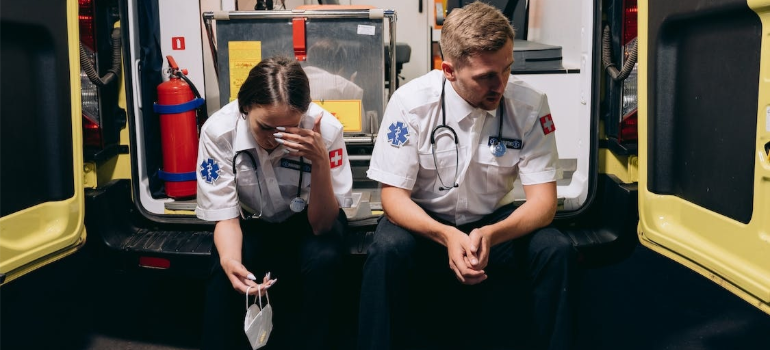
As the crisis rages on, first responders and paramedics struggle to keep up.
Moving Forward: Prevention and Solutions to the Opioid Epidemic
Thankfully, prevention measures and solutions are available to help mitigate the role of pharmaceutical companies in the opioid epidemic. They are also crucial in combating the opioid crisis in itself, which remains a pressing societal danger.
Regulators have a vital role to play in implementing policies that curb the influence of these companies and promote responsible prescribing practices. Stricter regulations on opioid prescriptions, enhanced oversight of pharmaceutical marketing practices, and increased transparency in research funding can all help.
Additionally, addiction treatment providers play a pivotal role in championing awareness campaigns to prevent addiction and ensure access to effective treatment options. Treatment providers can contribute to a culture of prevention and support through such practices as:
disseminating accurate information about the risks of opioids
promoting alternative pain management strategies
advocating for evidence-based approaches
Collaboration between treatment providers and community organizations can also foster initiatives that educate the public, reduce stigma, and expand access to harm-reduction services. Furthermore, comprehensive addiction treatment services that integrate medication-assisted treatment, counseling, and psychosocial support are essential in addressing the needs of individuals struggling with opioid addiction. Here, too, we are proud to note that our center for addiction treatment in WV is already following these principles.
Prevention and solutions to the opioid crisis require a multifaceted approach, engaging regulators, addiction treatment providers, community organizations, and individuals. Together, these groups can create lasting change and mitigate the devastating impact of the opioid crisis.
The opioid crisis may persist, but hope for a brighter future remains.
Curtailing the Role of Pharmaceutical Companies in the Opioid Epidemic
The opioid epidemic demands our unwavering attention as a pressing public health crisis. The devastating consequences of opioid addiction and overdose deaths, coupled with the strain on healthcare systems and communities, emphasize the urgency of this issue. As we seek solutions, it is vital to understand the involvement of pharmaceutical companies in the opioid epidemic.
At Harmony Ridge Recovery, we deeply care about the impact of the opioid epidemic. We are committed to actively seeking and implementing solutions. Through collaborative efforts, we can work toward comprehensive strategies that prioritize patient safety, responsible prescribing, and access to evidence-based treatment.
If you would like to know more about us or our services, please feel free to contact us today.
College life is often portrayed as a time of fun, adventure, and newfound freedom. However, for many students in West Virginia, it can also be a time of experimentation and substance abuse. Drug abuse is a pervasive problem in colleges across the United States, but West Virginia faces unique challenges, with addiction and overdose rates higher than the national average. From alcohol and marijuana to prescription drugs and opioids, college students in West Virginia are turning to a variety of substances to cope with the pressures of academic and social life. In this article, our experts from Harmony Ridge Recovery Center WV will tell you more about the most commonly abused drugs in colleges in West Virginia and the risks associated with them. Continue reading →
As the opioid epidemic persists, families in West Virginia and across the nation continue to feel its impact. Fortunately, however, the science around Substance Use Disorders (SUDs) has expanded and evolved in strides in turn. Treatment providers’ services for drug and alcohol rehab in West Virginia reflect this, as they see continuous refinements. Continue reading →
Addiction and suicide present a very complex relationship. Experiencing suicidal thoughts have the power to lead and increase the risk of addiction. Similarly, addiction has the potential to increase the risk of suicide. Substance abuse and suicide also have a tricky dynamic involved with depression. It’s important to note before reading this article that there is hope, you are not alone, and numerous suicidal treatment centers are looking to deliver support and care.
What Is Substance Addiction?
Substance addiction, also known as drug addiction or a substance use disorder, is a disease that affects an individual’s behavior and brain. This is because substance addiction causes people to not be able to control their use of legal or illegal drugs.
When an individual is addicted to a substance, he or she might continue to engage in substance abuse despite the harm it may cause. Addiction can begin with the experimental use of recreational drugs in a social situation. For some individuals, from that first encounter, drug use becomes more frequent. Other individuals, especially those engaging in opioid use, might even start abusing substances because they received medications from friends or relatives who have been prescribed the medications.
The actual risk of substance abuse and addiction varies depending on the drug and how addictive it is. It also varies depending on how susceptible to developing a substance addiction a person is. There are some drugs, such as opioid painkillers, that quickly cause addiction and are, in turn, riskier to use altogether.
What is Drug Dependency?
As time goes by, you might find that you desire and need higher doses of drugs to feel high.
Once this occurs, individuals engaging in substance abuse might discover that they need drugs to even feel sane. As such people’s drug use continues to increase, it might become progressively more challenging for them to go without the use of drugs.
When a person attempts to stop drug use altogether, that can cause severe drug cravings and make the person physically sick. When a person experiences cravings for a drug when minimizing or discontinuing use of it, that person is experiencing withdrawal symptoms. This means that that person is dependent on that drug.
Once individuals develop drug dependency, substance addiction isn’t too far behind. This is why it’s crucial to enter into an addiction treatment center for help once one feels any sort of dependency or addiction.
What Are Signs That a Person Is Suicidal?
There are numerous signs that a person is suicidal. Similarly to every individual that is different who contemplates suicide, the warning signs that people might display are different. There are, however, “classic” suicide warning signs that some individuals demonstrate before taking their own life.
Some individuals disclose no suicidal warning signs publicly. In fact, an individual will rarely present a full range of the suicide warning signs listed here today. Many of the individuals that do display suicide warning signs though do not attempt or fall victim to the thief that is suicide.
The Most Common Warning Signs That a Person May be Suicidal
Abandoning hobbies and other sources of enjoyment
A sudden decrease in academic and work performance
Expressing a feeling of being trapped or desire for death
Many individuals will give warning signs or signals of substance addiction and suicide plans. The best thing that you can do to prevent a loved one from committing suicide is to be aware of suicidal warning signs. Once you learn how to respond to such warning signs appropriately, such knowledge can indeed be very helpful.
Other warning signs of suicide include:
Sudden personality changes and drastic mood swings
Loss of interest in day-by-day activities
Getting affairs in order, saying goodbye
Sleeping and eating pattern changes
Self-destructive behavior
A sudden sense of calm
No hope for the future
Talking about suicide
Self-hatred
If you spot any suicide warning signs in a loved one, you could be faced with the heavy decision of deciding if you should say anything or not. However, it’s fair to say that an individual that talks about suicide often or shows many suicide warning signs needs immediate assistance. Luckily, there are rehab facilities that treat addiction and suicide.
You talking to the individual that is struggling with addiction and suicide will likely not make the situation worse. In fact, it instead will likely make the situation better. When you’re able to show that you care about a person’s struggle with addiction and suicide, it gives the person struggling the opportunity to open up to you and discuss his or her feelings. This, in turn, could actually prevent a person from committing suicide.
If a loved one confesses to you about his or her addiction and suicide thoughts, help enroll your loved one in professional treatment centers for suicidal patients. Also, provide your loved one with support and empathy. Let your loved one know that he or she is not alone and that you deeply care.
How Can Substance Addiction Cause Suicidal Thoughts?
Substance addiction can cause suicidal thoughts in various ways. Addiction and suicide have an interconnected and close relationship along with depression. Over 90% of the individuals that fall victim to suicide struggle with depression, have an active substance abuse disorder, or both.
When you think of substance abuse and suicide, it’s imperative to understand that the relationship between the two is dangerous. Both can trigger the appearance of the other.
People that suffer from mental illness conditions such as obsessive-compulsive disorder, major depression, and bipolar disorder often turn to alcohol, drugs, and gambling, along with numerous other high-risk activities as a way to alleviate their negative feelings or numb their pain. Unfortunately, though, substance addiction increases the duration and severity of depressive episodes. Thus, while one is gaining temporary relief, the likelihood of suicidal thoughts or ideation is increased. Furthermore, suicidal ideation is aggravated by the fact that addiction usually destroys or damages professional, financial, personal, and familial relationships.
What Age Group Is Most Suicidal?
The age group that is the most suicidal is young people, ranging from around 10-34. Suicide is one of the leading causes of death amongst Americans. It is the second leading cause of death among Americans in the age range of 15-34 and the third leading cause of death among Americans in the age range of 10-14.
Suicide is the intentional ending of one’s own life through one own’s actions. Suicide is considered to be one of the greatest health epidemics in the nation by numerous professionals in the medical field. In 2019, about 45,511 died from suicide in America. Suicide rehabilitation at treatment centers for suicidal patients is one of the main ways to combat this issue.
Does Therapy Work for Suicidal Thoughts?
Therapy works tremendously for suicidal thoughts. Suicidal ideation and previous suicide attempts can take quite an emotional toll on an individual and the people close to him or her. It’s even possible that a person struggling with addiction and suicide can become so engrossed with suicidal thoughts that they’re no longer able to function on a day-by-day basis.
Previous suicide attempts can leave permanent scars on the person struggling with substance abuse and suicide, along with crippling injuries such as organ failure and brain injuries. Thus, the sooner an individual that suffers from addiction and suicide enters suicide rehabilitation, the better. Not only can suicide rehabilitation and addiction treatment save a life, but they can also assist people in moving past dark times in their lives.
For individuals who are struggling with suicidal ideation, a suicide treatment facility that offers inpatient treatment can be helpful. Through this type of treatment method, individuals that are struggling with suicidal ideation will be able to:
Receive the type of therapies needed to get to the root of what is causing their suicidal thoughts
Undergo treatment for the presence of their substance abuse problems
Receive any medication they might need
What Are the Effects of Suicide and Suicidal Thoughts?
The long-term effects of suicidal thoughts can present to be extremely catastrophic for all parties that are involved. They might include the following:
Damage to all organ systems
Brain damage and death
Severe injury
Seizures
Coma
The Effects on Suicide Survivors
There has been recent research that has indicated that for each successful suicide attempt, there are about 6-8 loved ones who are left behind. They are called suicide survivors and they are often consumed by several conflicting emotions such as:
Grief over losing someone they care about
Anger
Guilt
Other Effects
Intense feelings that they could have prevented the loss of their loved ones
If you are having suicidal thoughts, you can contact The National Suicide Prevention Lifeline 24/7 at 800-273-8255. They are available for you for free, all hours of the day and night. There are so many organizations that are dedicated to suicide prevention. Countless resources are here to help. It’s paramount that you also enter into one of the many suicidal treatment centers.
What Does a Therapist Do if a Patient Is Suicidal?
The initial first step that a therapist will do if a patient is suicidal is to talk with him or her and listen carefully as the patient tells his or her story. There might be a test performed to evaluate how suicidal the individual might be. Depending on the suicide treatment facility, the individual might be asked to fill out paperwork surrounding suicide.
Therapy will be able to fully get to the root of the problem at suicidal treatment centers. One of the most effective forms of therapy there is family therapy. This is because oftentimes suicidal individuals resort to isolation. This therapy though will further remind individuals that they are not alone. Families might also be able to provide the therapist with some insight on the cause of the individual’s suicidal attempts, and what could change to make their lives better.
Once the family provides the necessary support at treatment centers for suicidal patients, they will be able to help that person from sliding back into an isolated mode. Typically, the family is asked to agree upon working with the individual to transform the family dynamics into one of mutual encouragement, light, support, and hope. Furthermore, for the individual struggling with suicidal ideation, the therapist, and the family act as a solid team to improve relationships and lives.
Beat Suicide Ideation at a Suicide Treatment Facility
It’s important to remember that you are a whole person, not just a collection of symptoms, issues, and problems. By attending suicide rehabilitation, you are able to focus on becoming the best version of yourself again. It’s possible to be a person that’s free from addiction and that’s able to cope when life matters. Call now to hear more about addiction and suicide rehabilitation.
Opioid use disorder, or opioid addiction, is a medical condition that can affect any race, gender, income level, or social class. Some people begin taking prescription opioids to manage pain after a surgery or injury. And some people begin taking them to manage chronic pain. No matter what the circumstance is, prescription opioids can be addictive and dangerous, but recovery is possible. Treatment can help people get their lives back before it’s too late. No single treatment method is right for everyone, but research shows that combining behavioral therapy with medications for opioid use disorder is the most effective approach for overcoming opioid addiction.
Read on to learn more about the opioid addiction epidemic and what YOU can do to get the help you need.
What are opioids?
Opioids, sometimes called narcotics, are a type of drug. They include strong prescription pain relievers, such as oxycodone, hydrocodone, fentanyl, and tramadol. The illegal drug heroin is also an opioid. A health care provider may give you a prescription opioid to reduce pain after you have had a major injury or surgery. You may get them if you have severe pain from health conditions like cancer. Some health care providers prescribe them for chronic pain. Prescription opioids used for pain relief are generally safe when taken for a short time and as prescribed by your healthcare provider. However, opioid misuse and addiction are still potential risks.
What is the best treatment for opioid addiction?
People have become addicted to opioids for centuries. However, opioid use has escalated since 2000 with the development and marketing of powerful painkillers that are highly addictive and carry an enormous risk of overdose. Prescription opioid painkiller addiction has a lot in common with heroin addiction, but there are important differences that influence the kind of treatment that will be most effective. Opioid addiction is one of the most challenging addictions to overcome. But there are treatment options available that can help with the physical, psychological, and social aspects of substance use disorders.
Evidence-Based Addiction Treatment
When considering addiction treatment, it’s important to establish that it’s evidence-based. This means that the treatment has been studied and shown to be effective for many people with the condition. If all of the physical, social, and mental health aspects of opioid addiction are not addressed, the treatment is not likely to be successful and the person may relapse. Therefore, these treatments should be part of a comprehensive treatment plan that is consistently followed before, during, and after the person quits opioids.
Which medication is frequently used to treat opioid addiction?
Methadone, when administered properly, is included in treatment with counseling. It is always provided in a clinic setting when used to treat opioid use disorder. It helps to relieve withdrawal and address cravings.
The medicine buprenorphine also relieves opioid cravings without giving the same high as other opioid drugs. Prescribed by many physicians from office settings, this is typically a daily dose placed under the tongue and also can be delivered as a once-a-month injection or through thin tubes that are inserted under the skin and that last six months.
These medicines both activate opioid receptors in the body that suppress cravings and are effective and similar in safety and side effects, and typically used for maintenance treatment. They also can be used to taper a person off of opioids. However, it is common for patients to relapse, and physicians must try something different with those patients who relapse several times. Patients who are highly motivated and have good social support have a tendency to do better with these therapies.
Naltrexone is a very different medicine and doesn’t turn the opioid receptor on, but instead blocks the euphoric/sedative effects of opioids. A patient’s system must be completely free of all opioids before beginning naltrexone. It can be taken orally or as a once-a-month injection.
Emergency
Naloxone can be used in an emergency situation when respiratory arrest, due to an opioid overdose, has occurred or is imminent. Naloxone flushes out receptors and can reverse the overdose but is not a form of addiction treatment.
Talk with a doctor to find out what types of treatments are available in your area and what options are best for you. Addiction is a chronic, relapsing disease; be sure to ask your doctor about the risk of relapse and overdose.
How Successful is Opioid Addiction Treatment?
The success of therapy for substance use disorder varies by patient and by the severity of the disorder. And also can be influenced by complications of comorbidities, such as alcohol use or mental illness. Research has shown that there is a higher rate of substance use in patients with diagnoses such as depression and those who use other substances such as alcohol. Integrated treatment for both mental health and substance use disorders are needed in cases where these occur together. The environment and family or friend relationships can also play an important role. Some patients will repeat therapy and relapse many times before having success.
How to Encourage Someone to Seek Help for Opioid Addiction
With substance abuse, when patients are ready to deal with their issues they need an open door and help immediately. The person with an addictive disorder should want to participate in treatment. Navigating that change can be challenging for friends and family members. As with most other chronic diseases, addiction is treatable. If you or someone you know is struggling, treatment is available. While no single treatment method is right for everyone, recovery is possible, and help is available for opioid addiction.
Preventing overdose death and finding treatment options are the first steps to recovery. Treatment may save a life and can help people struggling with opioid addiction get their lives back on track by allowing them to counteract addiction’s powerful effects on their brain and behavior. The overall goal of treatment is to return people to productive functioning in their family, workplace, and community.
Managing Pain in Recovery
Most people experience some kind of pain during their lives. Pain serves an important purpose: it warns the body when it’s in danger. But ongoing pain causes distress and affects the quality of life. Pain is the number one reason people see a doctor. Providing pain control for the 5% to 17% of the U.S. population with a substance abuse disorder of some type presents primary care physicians with unique challenges. When these individuals experience pain, they are less likely to receive adequate pain management than individuals in the general population. To find effective treatment options, talk to your doctor about managing your pain safely.
A conversation with your doctor can help you understand nonopioid pain management options after opioid addiction treatment. Discuss:
your health history,
how your activities have been impacted by pain, and
what you hope to gain from managing your pain.
Having detailed discussions with your doctor about your pain management and function goals can help your doctor identify the best treatment with the lowest level of risk.
Addiction Treatment with Harmony Ridge Recovery
Many people are able to make significant changes in their lives and maintain remission by finding or creating social networks and environments supportive of recovery efforts. Seek out recovery supports, including mutual aid groups, recovery coaches, and peer recovery services. They can be an important part of each person’s recovery journey.
Has your addiction left you feeling helpless with no way out? Has your loved one’s opioid addiction made them unrecognizable? We understand what you are experiencing and are here to help! Addiction not only negatively impacts the life of the user, but it also wreaks havoc upon the lives of their family and friends. Things may feel hopeless at the moment, but there is a way out. Recovering from alcohol or drug addiction is feasible.
With dedication, the right support system, and choosing an accredited drug and alcohol treatment program, countless individuals have achieved and maintained sobriety. It’s truly a magical experience to watch patients transform into the confident, happy, and healthy human beings that they once were. That’s what our team does – help those who are struggling to get back on the right track! Researching the right drug and alcohol treatment facility is the first step towards recovery. Learn more about our commitment to achieving and maintaining long-term recovery.