

Cannabis can feel calming at first, yet anxiety can hit fast and leave you scared and confused. You may wonder how long does cannabis-induced anxiety last, especially if the symptoms stay longer than you hoped. Many people deal with this and feel embarrassed to ask for help, so you’re not alone. The fear feels real, your thoughts race, and your body reacts in ways that seem hard to control. Some people need extra care when anxiety keeps coming back, and rehabs in WV can guide you through deeper problems with use or fear. You can learn what to expect, how to calm your mind, and how to recover without judgment.
What Cannabis-Induced Anxiety Feels Like
Anxiety after cannabis often feels sudden and hard to control. You may notice your heart racing or your chest tightening. Thoughts can shift fast and make you fear the worst. Many people link these moments to memories of marijuana and panic attacks, which makes the fear grow stronger. Your body reacts as if danger is real, even when you know you are safe.

You might feel lightheaded, shaky, or trapped in your own thoughts. These feelings can rise fast and confuse you. You may ask yourself how long does cannabis-induced anxiety last, especially when the fear holds on longer than expected. You can learn what these reactions mean and why they happen.
How Long Does Cannabis-Induced Anxiety Last?
You may wonder how long does cannabis-induced anxiety last when the fear rises fast and feels hard to control. The length often shifts with dose, stress, and your own sensitivity. Some people feel relief in minutes, while others need more time. You can watch for signs that show how long your anxiety might stay active during the rest of today:
- Short waves fade fast after mild use and bring quicker.
- Strong products can extend fear and keep symptoms active much.
- Delayed peaks appear when stress increases and your body feels.
- Sensitive bodies may hold fear longer after heavy THC use.
- Low sleep levels raise tension and make anxiety stronger throughout.
Therapy Options That Help With Persistent Anxiety
Some anxiety fades fast, yet some stays longer and makes daily life harder. You may wonder how long does cannabis-induced anxiety last when the fear appears after each use. Therapy gives you tools that help you break this pattern. You can learn to challenge the thoughts that fuel the panic. You also get support when old stress resurfaces. These approaches help you grow stronger and feel safer over time.
How Cognitive Behavioral Therapy Helps Reset Anxiety Loops
Cognitive behavioral therapy helps you break the thoughts that trigger fear after cannabis. It teaches you to slow reactions and build new responses. You learn how to notice the moment anxiety begins. You also learn how to step back from the panic. A therapist can help you understand the cycle and change it with practice.
Many people find steady relief with a CBT treatment plan for substance abuse because cannabis use and anxiety often connect. CBT gives you skills that help you stay grounded and calm in stressful moments. You learn how to shift fear into manageable steps. Your therapist can guide you through triggers that appear during daily life. You get a safe space to talk about the stress that grows over time.

Therapy Approaches That Address Cannabis-Related Fear Responses
Therapists use several methods to help you calm fear linked to cannabis use. These approaches help you understand why anxiety rises fast and why it feels harder to control over time. You can learn how to break the cycle, regain confidence, and feel safe in your own body. These methods work well when anxiety becomes a pattern you can’t manage alone:
- Exposure work: Gradual steps ease fear triggers.
- Mindfulness skills: Helps you notice reactions without panic.
- EMDR sessions: Releases stuck fear from past stress.
- Somatic tools: Helps your body release tension.
- Supportive counseling: Gives space to talk openly.
- Psychoeducation: Teaches how anxiety builds.
- Skills training: Builds steady coping habits.
Building Long-Term Coping Strategies With a Licensed Therapist
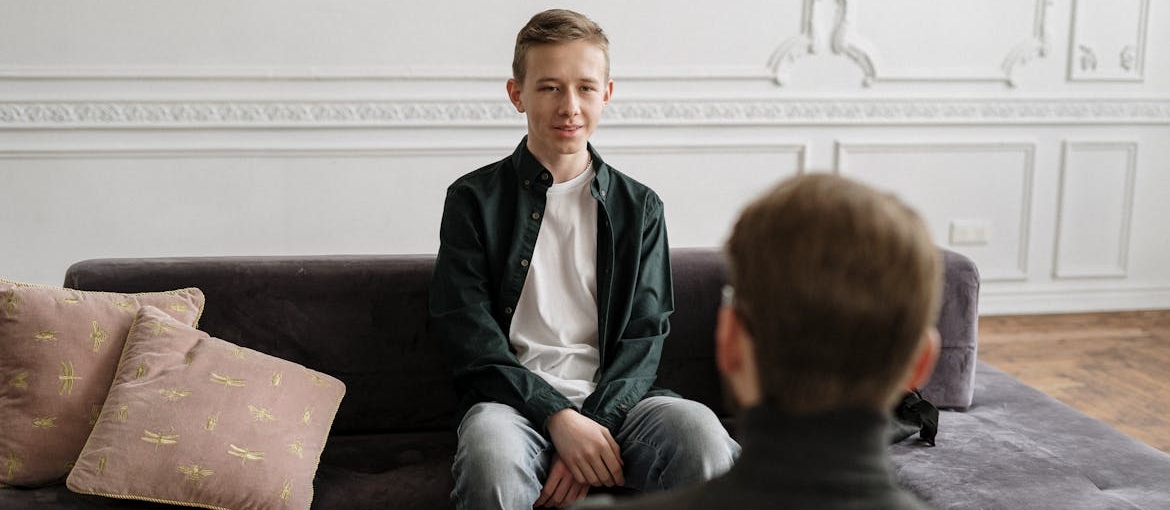
A licensed therapist can help you design long-term strategies that fit your needs. You learn how to handle triggers, stop fear cycles, and build healthier routines. Many people use individual therapy for addiction when anxiety and cannabis use start crossing paths. Therapy helps you explore why the anxiety appears and how to prevent it.
You gain tools that help you stay grounded during stressful days. You get steady support while you practice new skills. Your therapist helps you notice early signs of anxiety so you can act before fear takes over. You also learn how to make choices that support emotional stability. These steps help you grow more confident and feel safer in your daily life. You don’t have to deal with long-term anxiety alone.
When Rehab Becomes the Right Step
Some people reach a point when anxiety and cannabis use mix in ways that feel too heavy to handle alone. You may ask yourself again how long does cannabis-induced anxiety last, and the answer may depend on deeper patterns. Rehab gives you space, structure, and steady care. You don’t need to feel ashamed for needing more help. Treatment can guide you toward safer habits and long-term emotional balance.
Signs Cannabis Use Has Become a Bigger Problem
You may start noticing signs that cannabis use creates more harm than relief. Anxiety may rise faster, last longer, and affect your daily life. Many people feel stuck in this cycle, and some people struggle with quitting marijuana addiction even when they want to stop. These signs show you might need stronger support. Rehab can help you understand these patterns and give you tools that keep you safe. Here are signs to watch:
- Strong Cravings
- More Anxiety
- Sleep Trouble
- Mood Shifts
- Daily Impact
- Increased Use
- Failed Cutbacks
How Rehab Programs Treat Anxiety Linked to Cannabis Use
Rehab programs help you understand the cycle between anxiety and cannabis. You get support that helps you stay safe while you learn new skills. Teams help you track patterns and guide you through moments of fear. Many people feel stronger once they settle into care at drug rehab centers in WV, where treatment plans address both anxiety and use.
You learn how triggers work and how to respond without panic. Therapists help you explore what drives the anxiety. You also get tools that help your body calm faster. These steps give you a clearer path forward. You can heal at your own pace. You deserve support that feels steady and real while you rebuild your sense of control.

What Support Looks Like After You Finish Treatment
Support continues after treatment ends. You still get help to stay stable and manage stress. Many people continue care through long term drug rehab WV, where follow-up plans keep them grounded. After rehab, you learn how to use the skills you gained in daily life. You get help spotting early signs of anxiety so you can act fast.
You also stay connected to therapists and peer groups who understand your goals. Life after treatment may feel new, but you’re not alone. You move at a pace that feels safe. You keep growing while you rebuild trust in yourself. These steps help you stay stronger each day.
How to Calm Cannabis-Induced Anxiety in the Moment
Anxiety after cannabis can feel sharp and sudden, and you may worry about how long it will last. You might even ask yourself how long does cannabis-induced anxiety last while trying to calm your body. Relief feels hard to reach when fear builds fast. You deserve steps that help you feel safe. These tools can steady your mind and help you regain control. You can use them anytime anxiety hits and feels too strong.
Grounding Techniques That Settle Your Nervous System
Grounding helps you pull your mind back when fear rises. It gives you something solid to focus on when your thoughts feel scattered. You can try simple steps that bring your attention to the present moment. These tools can slow the fear that builds fast after cannabis. Many people use them when they feel overwhelmed and need quick relief.

You can also reach out for support at marijuana rehab in West Virginia, where teams help you manage stronger anxiety linked to use. Grounding helps your senses reset when panic grows. You can press your feet into the floor, name things around you, or hold a cool object. These simple actions can quiet the rush in your body. Many people say grounding helps them feel stable when anxiety spikes fast.
Breathing Methods That Slow Racing Thoughts
Breathing can help calm the cycle of fear when anxiety grows fast. Slow breaths can lower the pressure in your chest and give you space to think more clearly. You can use these steps anywhere. These tools help your body slow down when panic rises after cannabis. You may feel unsure at first. With practice, these breathing methods can bring steady relief:
- Box breathing: Breath in, hold, breathe out, hold.
- 4-second Inhale: Inhale four seconds to steady your body.
- 6-second exhale: Longer exhales calm your system.
- Nose breathing: Soft nasal breaths help slow your heart rate.
- Counting breaths: Count each breath to regain focus.
- Belly breathing: Fill your belly to relax your chest.
- Rhythm breathing: Keep an even pace for calm.
Diet and Hydration Tips That Support Quick Relief
Food and water can help your body settle when cannabis anxiety feels intense. Light snacks can keep your blood sugar steady. Water can ease dry mouth and help your body move through the effects. Many people feel relief once they eat something simple. You can try crackers, fruit, or toast when your stomach feels tight. You may also sip water slowly to avoid nausea.
These steps help your system stay balanced during anxiety. You might ask yourself how long does cannabis-induced anxiety last, and these simple habits can shorten the discomfort. Warm tea can soothe your stomach. A small meal can help if you feel shaky. Avoid caffeine when fear rises. Gentle hydration and simple foods give your body support while the anxiety fades.

How to Prevent Cannabis-Induced Anxiety in the Future
You can lower the chances of cannabis anxiety with steady habits. Small changes help your body and mind stay calmer. Many people feel safer once they learn what triggers their fear. You can start with lower THC levels and avoid strong products. Slow pacing gives your body more time to adjust. You can also choose quiet places when you use cannabis.
This reduces stress and helps you stay grounded. Sleep plays a big role in how your mind reacts. Eating regular meals supports your body and keeps anxiety lower. You may still wonder how long does cannabis-induced anxiety last, but these steps often shorten the fear. You can also talk with a therapist if anxiety stays active. Support gives you new tools and helps you feel safer each day today.
Start Building a Plan That Works for You
Anxiety after cannabis can shake your sense of safety, and it’s normal to want clear answers about how long does cannabis-induced anxiety last. You can take small steps that help your body settle and help your mind feel less trapped in the moment. If symptoms last or keep coming back, you don’t have to face them alone. A therapist can help you sort through triggers, and a treatment program can help if cannabis use has started to affect your daily life. You can feel better with the right tools and a plan that fits your needs. Reach out, ask questions, and keep going at a pace that feels safe for you.


