

Making the decision to enter treatment is one of the most significant and courageous steps a person can take. For individuals and families alike, it often comes after months or years of uncertainty, fear, and exhaustion. Once that decision is made, another question quickly follows: What makes rehab successful?
It’s a fair question. Families want reassurance that treatment will lead to meaningful change. Individuals want to know that the hard work ahead will be worth it. Referring professionals want confidence that the program they recommend provides real, lasting outcomes.
The truth is that rehab is not magic. Change does not happen simply because someone walks through the doors of a facility. Recovery happens when specific, intentional elements come together to create an environment where healing is possible.
At Harmony Ridge Recovery Center, we understand that successful recovery is built from multiple layers—clinical, emotional, relational, and practical. When these pieces align, individuals gain more than sobriety; they gain the tools to build a life they can sustain.
Let’s take a closer look at what truly makes treatment effective.
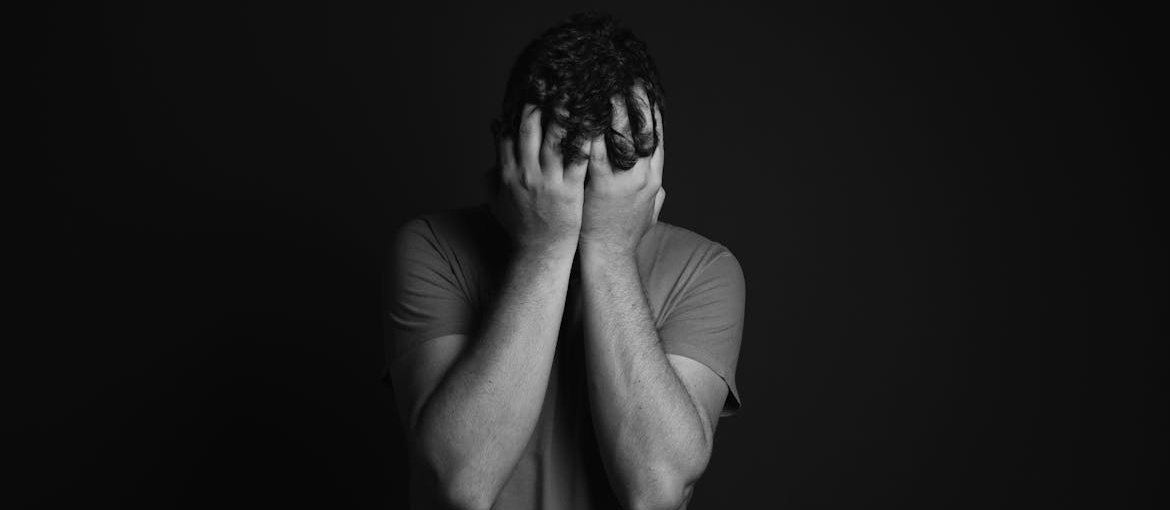
Success Begins With Safety and Stabilization
Before deeper emotional work can happen, individuals must first feel safe—physically and psychologically.
Addiction often leaves people in a state of chronic stress. Sleep is disrupted. Nutrition suffers. Anxiety runs high. The nervous system is on constant alert. Expecting someone to process trauma, rebuild relationships, or make long-term plans without stabilization is unrealistic.
Effective treatment begins by creating a structured, supportive environment where individuals can rest, reset, and regain equilibrium. When the body and mind begin to settle, people can focus, participate, and absorb what they are learning.
Stability is the foundation upon which everything else is built.
What Makes Rehab Successful? Consistent, Evidence-Based Therapy
Therapy is the engine of recovery. While each individual’s journey is unique, research consistently shows that structured therapeutic interventions significantly improve outcomes.
At Harmony Ridge, treatment plans are individualized but may include approaches such as:
- Cognitive-behavioral therapy (CBT)
- trauma-informed therapy
- dialectical behavior therapy (DBT)
- motivational interviewing
- relapse prevention training
- family involvement
These modalities help individuals understand the why behind their substance use, identify patterns, and build healthier responses to stress.
Without therapy, sobriety can feel like white-knuckling. With therapy, individuals develop insight, emotional regulation, and practical coping skills.
Engagement Matters More Than Attendance
One of the most misunderstood aspects of treatment is the difference between being physically present and being emotionally invested.
Someone can attend every group and still remain guarded or disengaged. Another person might arrive uncertain but gradually lean into vulnerability and participation. The second individual is far more likely to experience meaningful change.
What makes rehab successful is not compliance—it is engagement.
Engagement includes:
- honest participation
- willingness to reflect
- openness to feedback
- practicing new behaviors
- tolerating discomfort
- accepting support
Staff members play an important role in encouraging this process, but ultimately, transformation requires personal involvement.
Peer Community Creates Momentum
Recovery rarely happens in isolation. One of the most powerful elements of treatment is connection with others who share similar experiences.
Within a therapeutic community, individuals realize they are not alone. They hear their own fears reflected in someone else’s words. They witness progress in peers who once felt hopeless. They begin to offer encouragement, not just receive it.
This sense of belonging builds motivation and accountability.
When someone considers giving up, the community often helps them stay.
Structure Turns Intention Into Action
Many people enter treatment with sincere intentions. They want to change. But intention without structure often collapses under stress.
Routine provides predictability in a time of uncertainty. Daily schedules help individuals:
- regulate sleep
- reduce anxiety
- build discipline
- practice responsibility
- experience follow-through
Over time, structure helps people trust themselves again. They begin to believe they can maintain commitments and handle life in an organized way.
Structure transforms hope into habit.
Family Involvement Improves Outcomes
Addiction affects entire families. When loved ones are included in the recovery process, healing deepens.
Families benefit from learning:
- how addiction changes behavior
- how to set healthy boundaries
- how to communicate effectively
- how to support without enabling
- what realistic expectations look like
When families understand the process, they become partners in recovery rather than bystanders. This support network significantly increases long-term stability.
Addressing Underlying Issues Is Essential
Substance use rarely exists in a vacuum. Many individuals also struggle with:
- anxiety
- depression
- trauma
- grief
- unresolved conflict
- low self-worth
If these underlying issues remain untreated, relapse risk increases. Effective rehab must look beyond substances and address the emotional and psychological roots of behavior.
Healing the person—not just the symptoms—is what makes recovery sustainable.
Learning Practical Life Skills Supports Independence
Recovery is not only about emotional healing; it is about daily living. Individuals need to rebuild skills that may have deteriorated during addiction.
This can include:
- time management
- communication
- financial responsibility
- stress management
- employment readiness
- healthy recreation
When individuals leave treatment equipped with practical tools, they are better prepared to navigate real-world challenges.
Aftercare and Continued Connection Matter
Treatment is a beginning, not an endpoint. Research shows that individuals who remain connected to support after discharge experience better outcomes.
Aftercare may include:
- outpatient therapy
- alumni programs
- support groups
- continued family work
Recovery requires ongoing reinforcement. Continued connection helps individuals maintain momentum and address challenges before they escalate.
Hope Is a Critical Ingredient
Perhaps one of the most underestimated factors in successful recovery is hope.
Many individuals arrive feeling defeated. They may have tried before. They may doubt change is possible. Seeing progress—in themselves and others—gradually restores belief.
Hope fuels effort. Effort fuels progress. Progress reinforces hope.
This cycle becomes the emotional engine of recovery.
So, What Makes Rehab Successful?
Successful treatment is not built on one element alone. It is the combination of:
- safety and stabilization
- evidence-based therapy
- genuine engagement
- peer community
- structure and routine
- family involvement
- addressing underlying conditions
- life skills development
- ongoing support
- renewed hope
When these pieces work together, individuals gain more than sobriety. They gain confidence, clarity, and direction.
How Harmony Ridge Brings These Elements Together
At Harmony Ridge Recovery Center, we focus on creating an environment where all of these ingredients are present. Our approach is comprehensive, compassionate, and individualized. We recognize that every person’s path is different, but the building blocks of success remain consistent.
Recovery takes effort. It takes honesty. It takes support.
But with the right structure and the right team, change is possible.


